Should I keep resetting a breaker that trips?
No. If it trips again after normal use, stop resetting it and call. Repeated trips can point to overload, a failing device, damaged wiring, or a real fault that needs testing.
Trent Electrical diagnoses and repairs flickering lights, dead outlets, tripped breakers, hot electrical panels, burning smells, and intermittent power loss for homeowners across Rogersville, Hawkins County, and the surrounding East Tennessee communities.
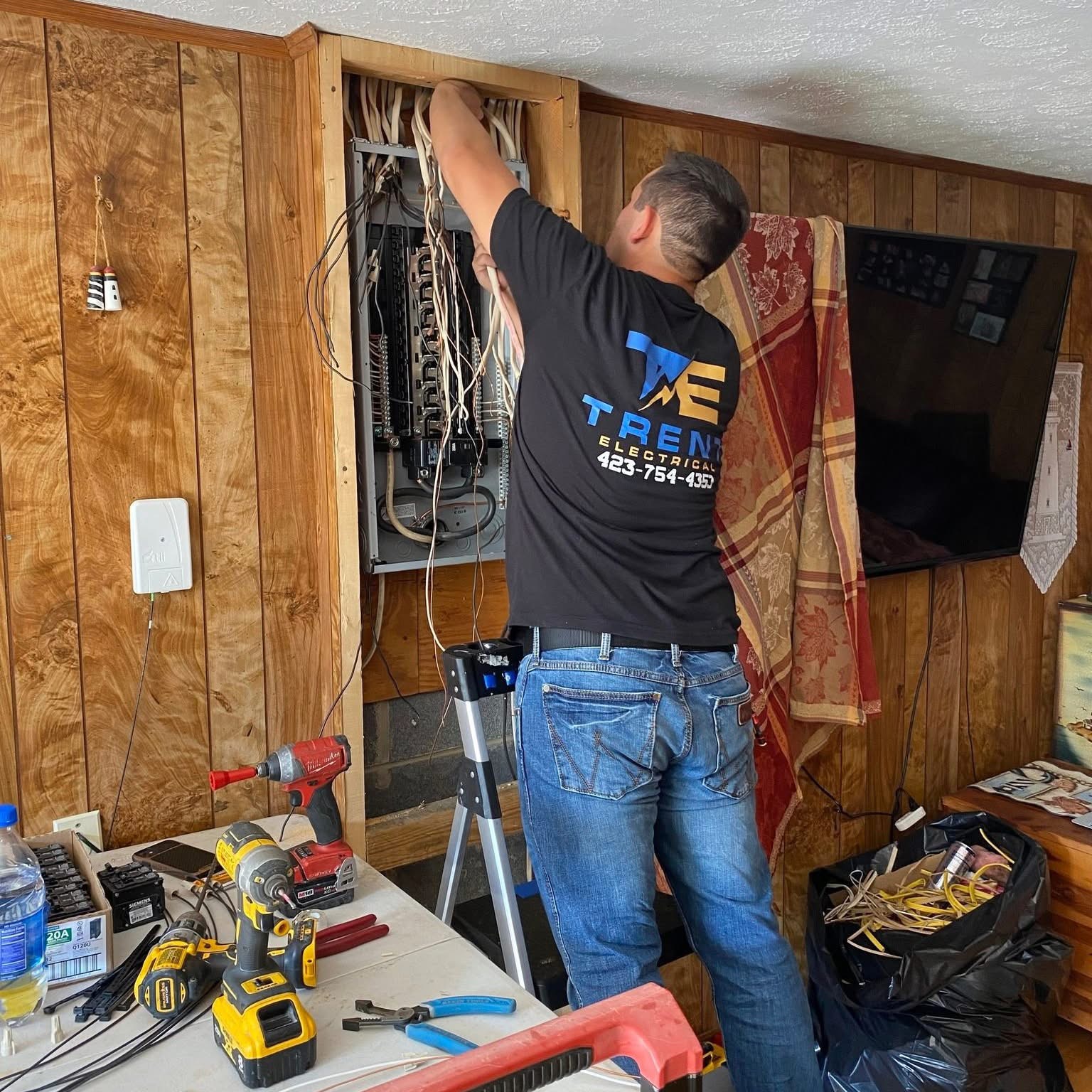
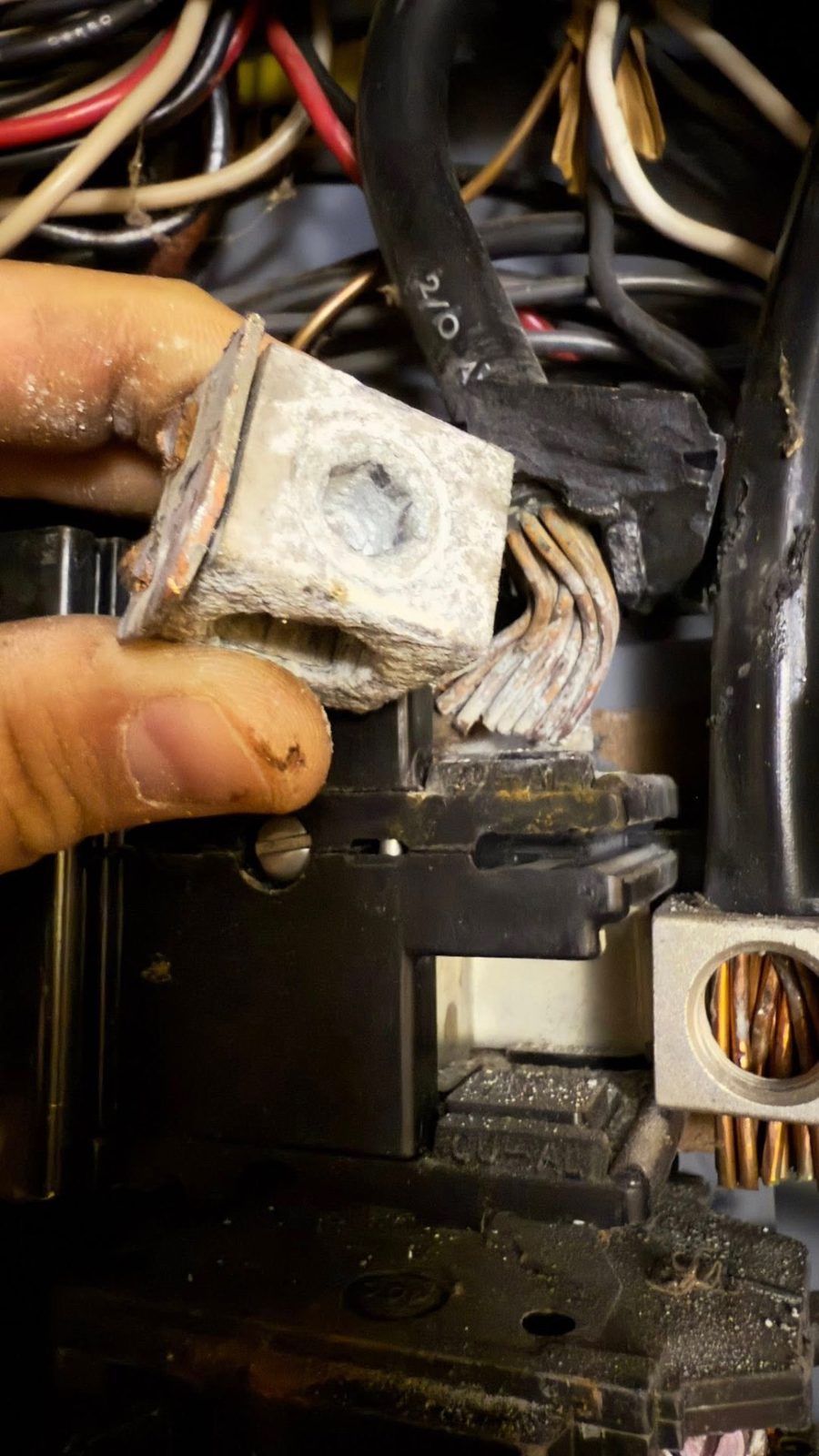
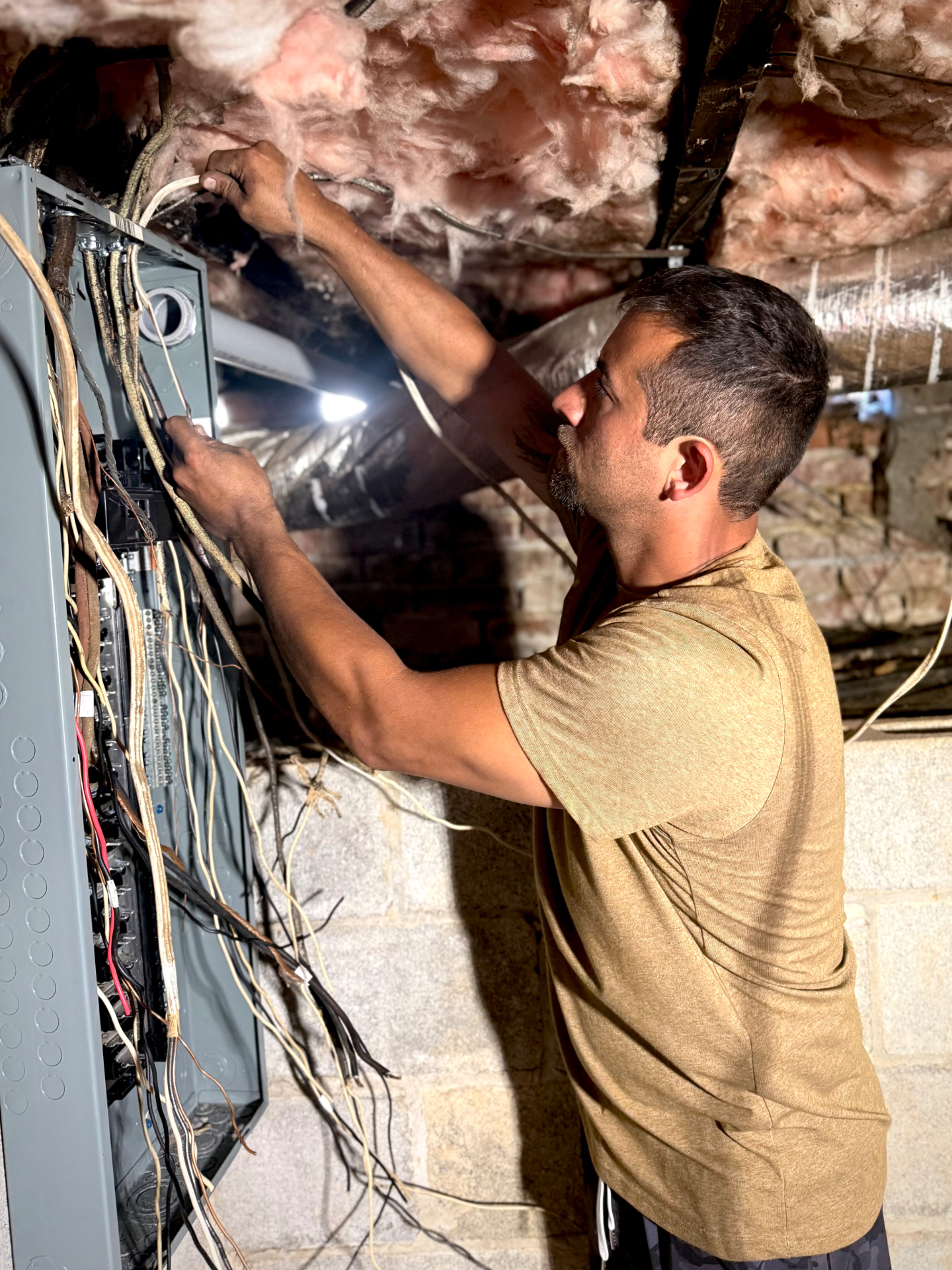
Most residential electrical problems are not random. They are the result of a specific failed connection hidden somewhere in the system. A backstabbed receptacle that finally let go after twenty years. A double tapped breaker that the original installer never should have made. A loose neutral inside a junction box buried in the attic. An aluminum branch circuit feeding a copper device without the proper anti oxidant compound. Each of those problems shows up to the homeowner as flickering lights, random breaker trips, dead outlets, or that faint warm plastic smell coming from the panel. The cause may be upstream of the place where the symptom first appears.
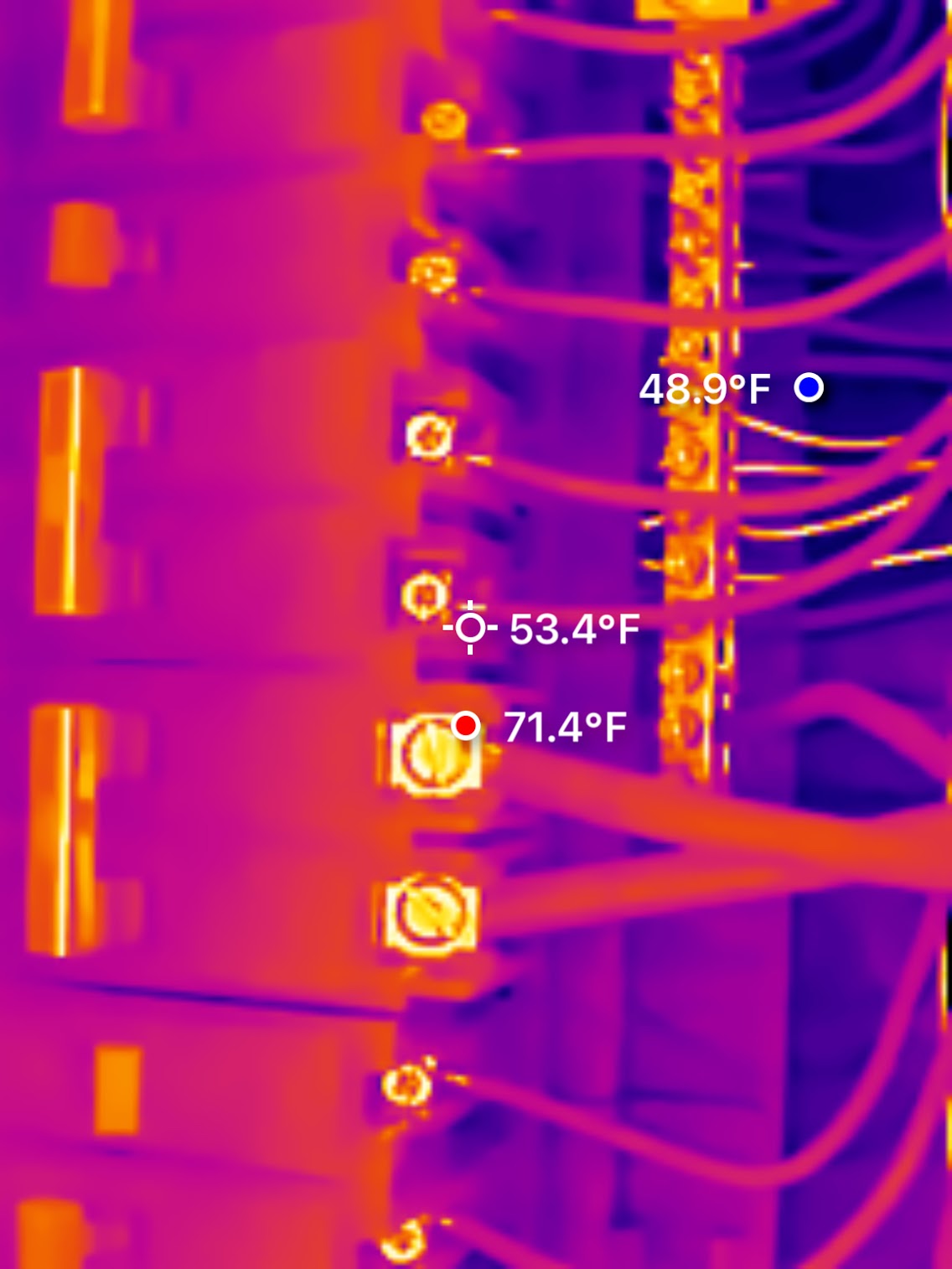
Trent Electrical uses meter testing and thermal imaging where it helps the diagnosis. Wasted heat is wasted electricity. If a breaker lug, a panel bus, a splice, or a service connection is running hotter than its neighbors, the camera can reveal a problem that a normal visual check may miss.
The goal is to trace the fault to its source before recommending a repair. For an intermittent problem, details about timing, affected rooms, weather, and what was operating become useful evidence alongside meter readings and inspection findings.
Troubleshooting is appropriate when the cause is unknown—such as intermittent power loss, repeated breaker trips, flickering lights or an unexplained burning smell. For planned outlet replacement, switch upgrades, GFCI and AFCI work, dedicated circuits and grouped household corrections, visit Electrical Repairs, Outlets & Dedicated Circuits.
Choose troubleshooting when the cause is unknown, intermittent, or potentially hidden. If you already know you want outlets, switches, alarms, or a new appliance circuit changed, start with electrical repairs. If testing points to worn-out service equipment, the next step may be panel work instead.
No. If it trips again after normal use, stop resetting it and call. Repeated trips can point to overload, a failing device, damaged wiring, or a real fault that needs testing.
Not unless testing points there. A tripping breaker can be doing its job. The load, wiring, connections, and devices are checked before blaming the breaker.
Many can be narrowed down with circuit tracing, meter readings, thermal checks, and opening the right boxes. The inspection starts with the least invasive path that still gives reliable answers.
Not always. Flickering can come from a loose neutral, overloaded branch circuit, failing device, large motor load, service issue, or utility-side problem. Testing decides where it starts.
Turn off the affected circuit if you can do so safely and call. Avoid using that outlet, switch, or circuit until it has been inspected.
You describe what tripped, when, and what changed. Half the answer is in the story.
Meter and thermal camera at the panel, then out to the load — find the fault, not just the symptom.
Fix the actual bad connection, damaged conductor, or failed device. No band-aids.
Verify voltage under load, photograph the repair, and tell you exactly what happened.
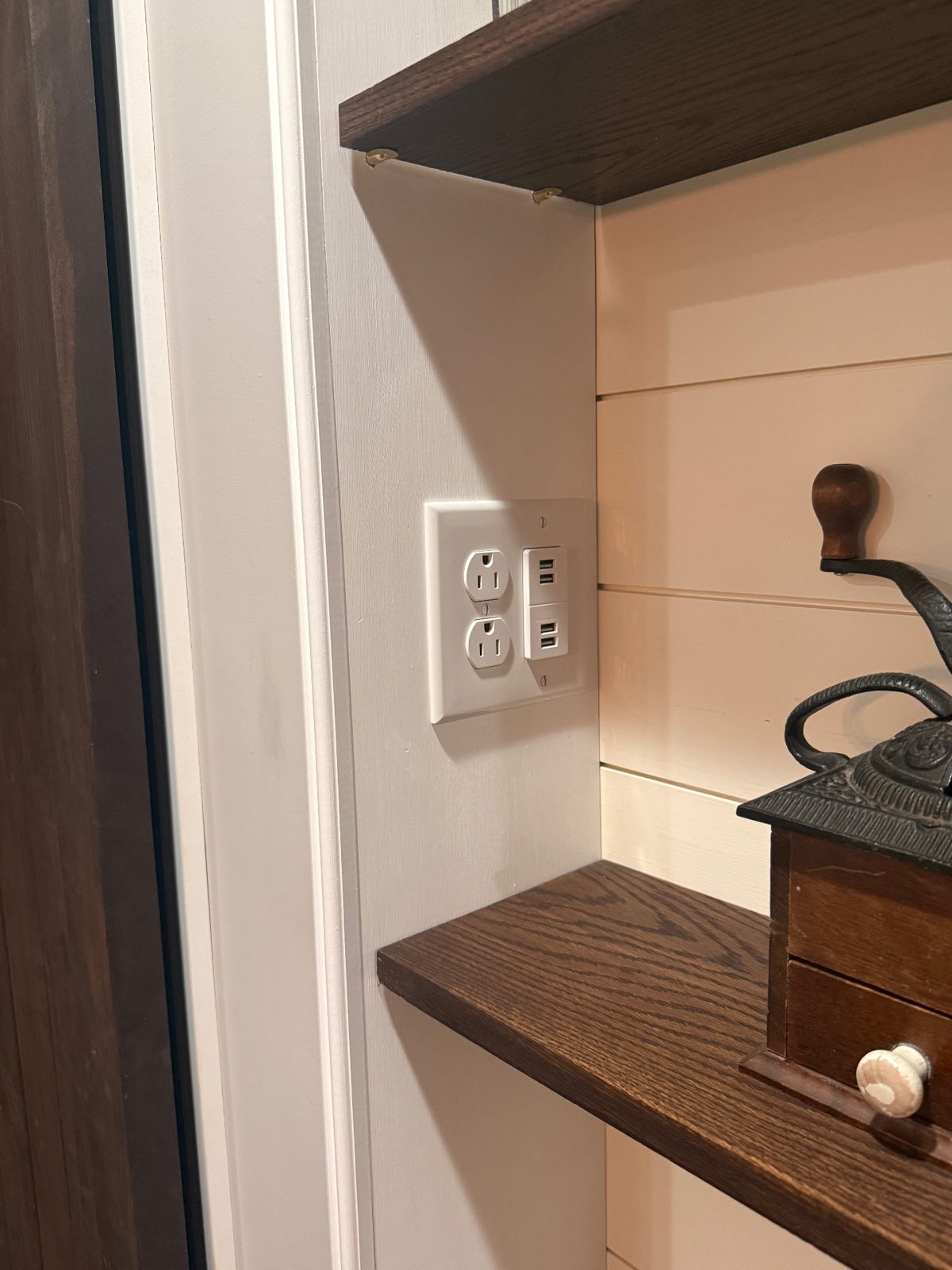
Outlets, switches, GFCI/AFCI corrections, wiring repairs, and dedicated circuits.
Fuse box, Federal Pacific, and Zinsco replacements with modern breakers.
Type 2 SPDs at the panel to protect HVAC boards, appliances, and electronics.
Full walk-throughs of panel, grounding, GFCI, AFCI, and smoke/CO coverage.
Don't see your town? We work across Hawkins County and the surrounding East Tennessee communities — call (423) 754-4353 and we will let you know.
Text or call Ryan directly. Clear answers, honest pricing, no upsells.