What is the difference between the meter base and the panel?
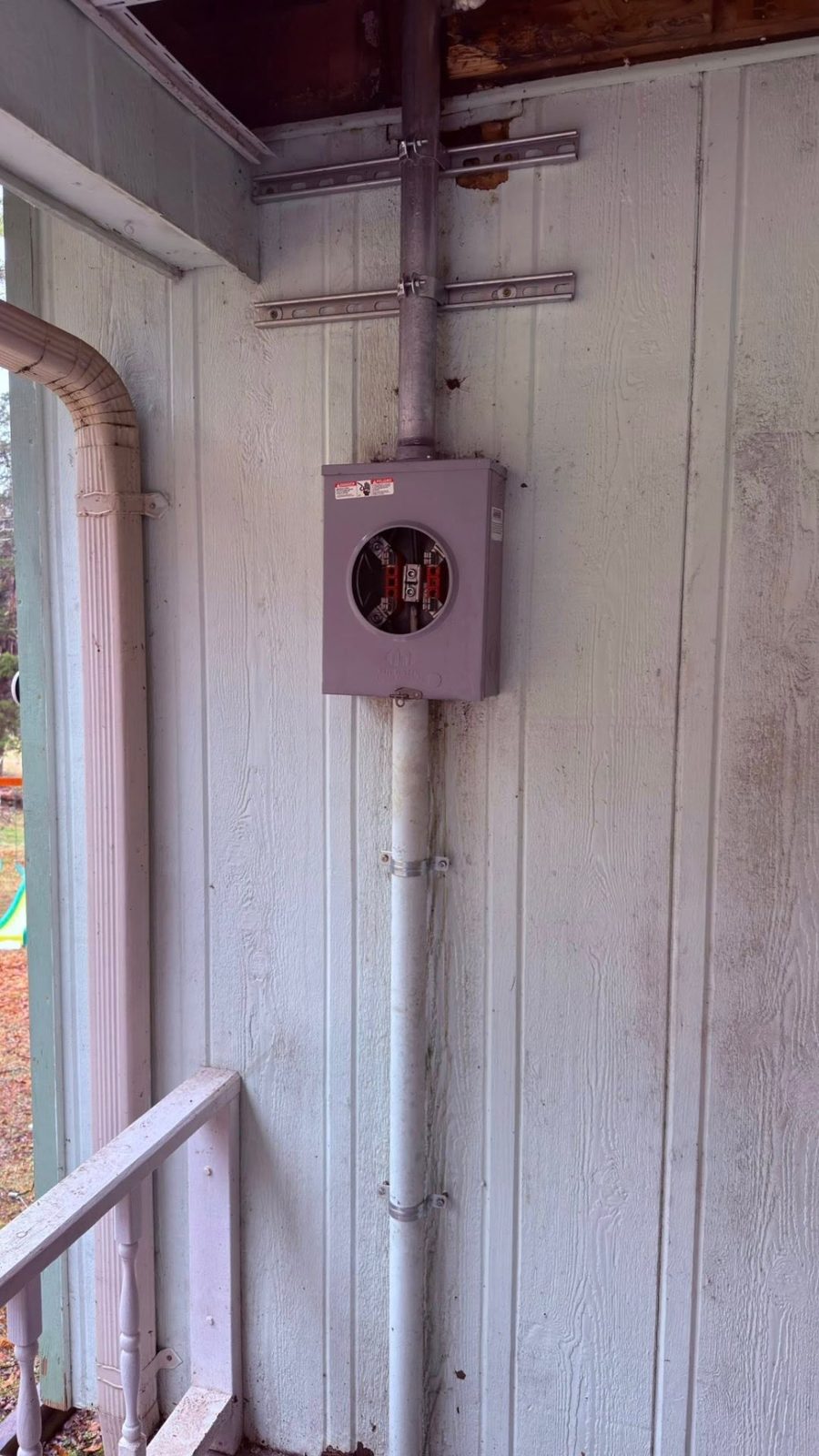
The meter base is where the utility meter sits outside. The panel is where breakers distribute power through the home. Some jobs involve one; others require both to be reviewed together.
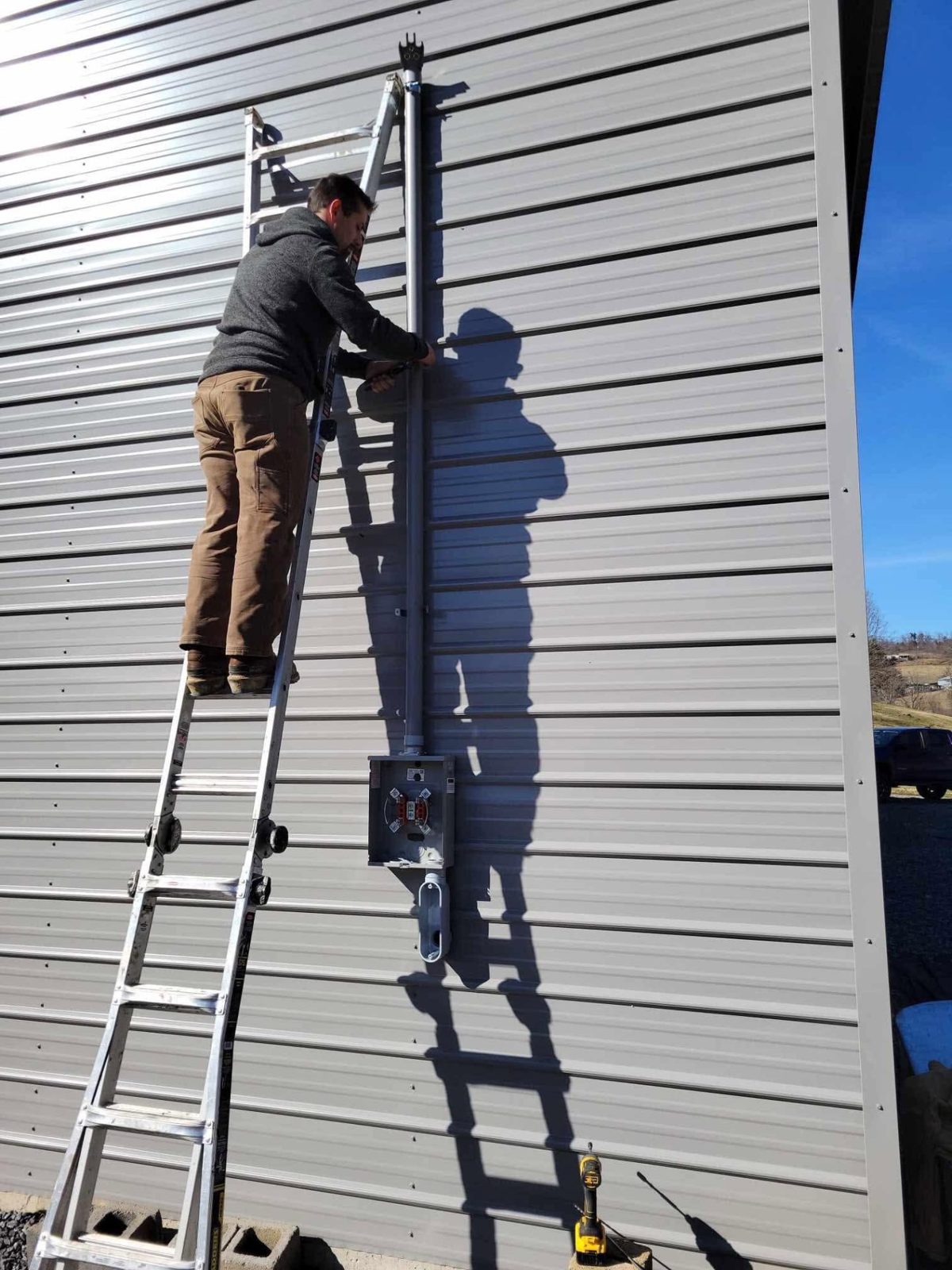
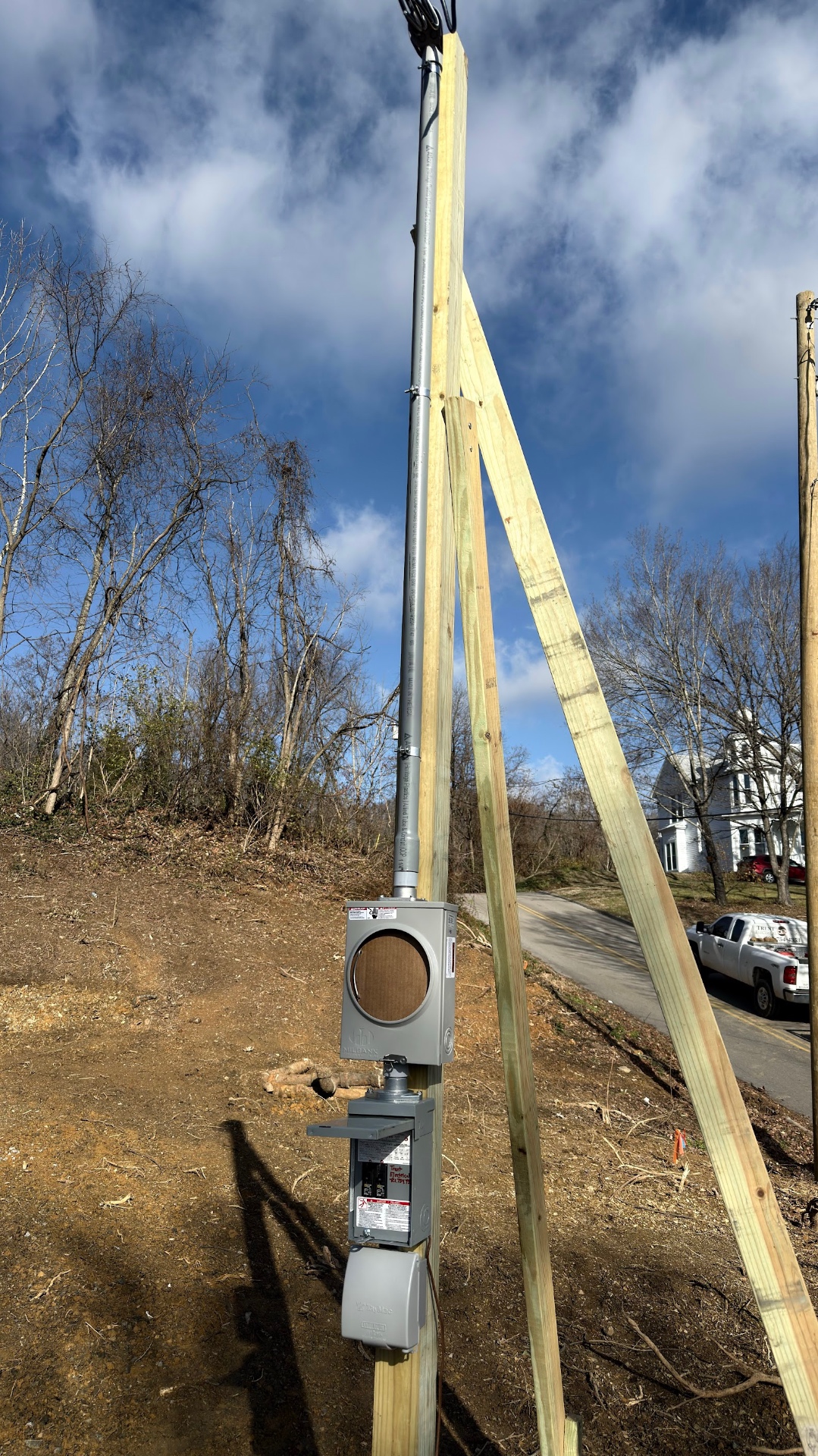
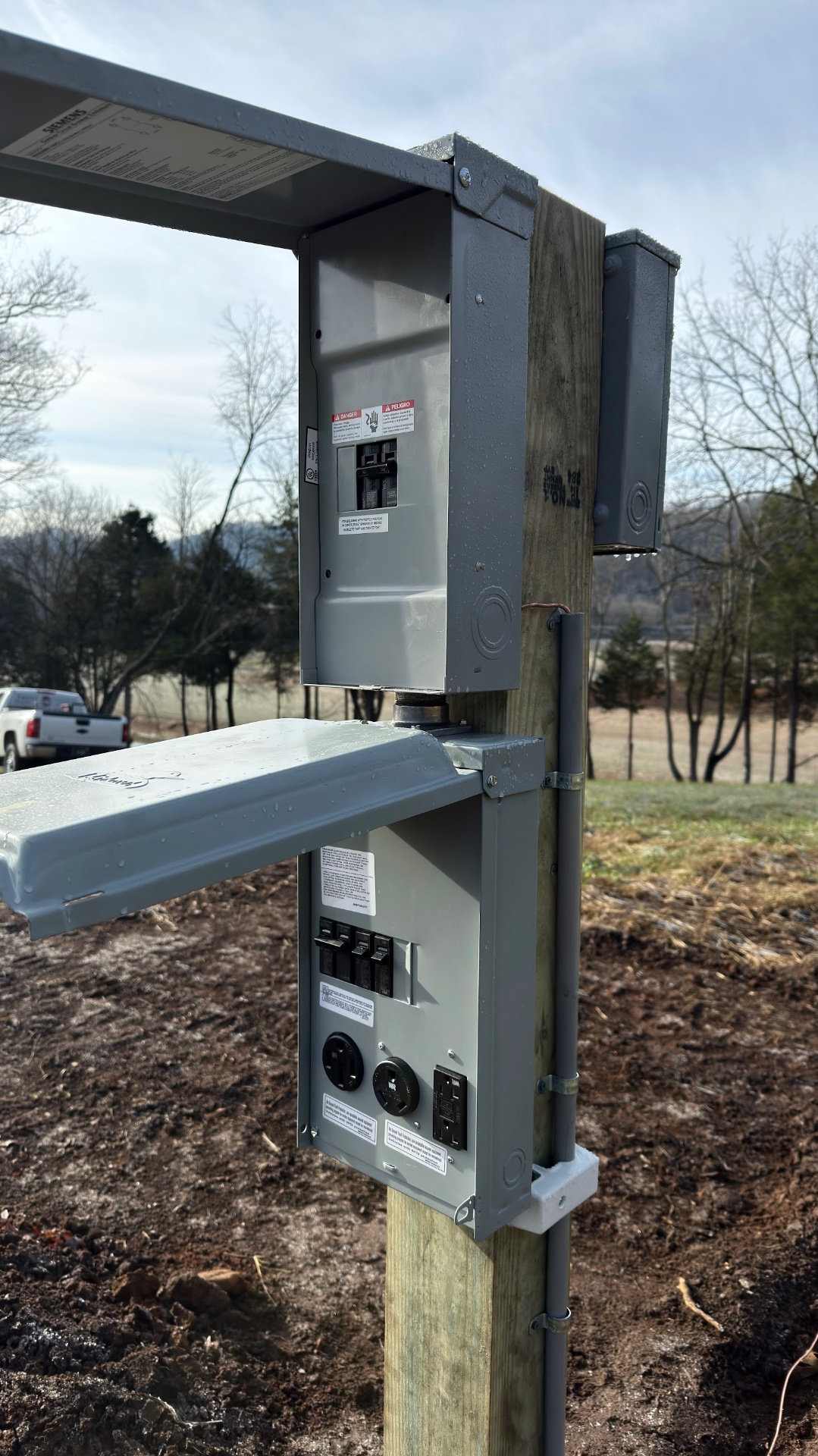
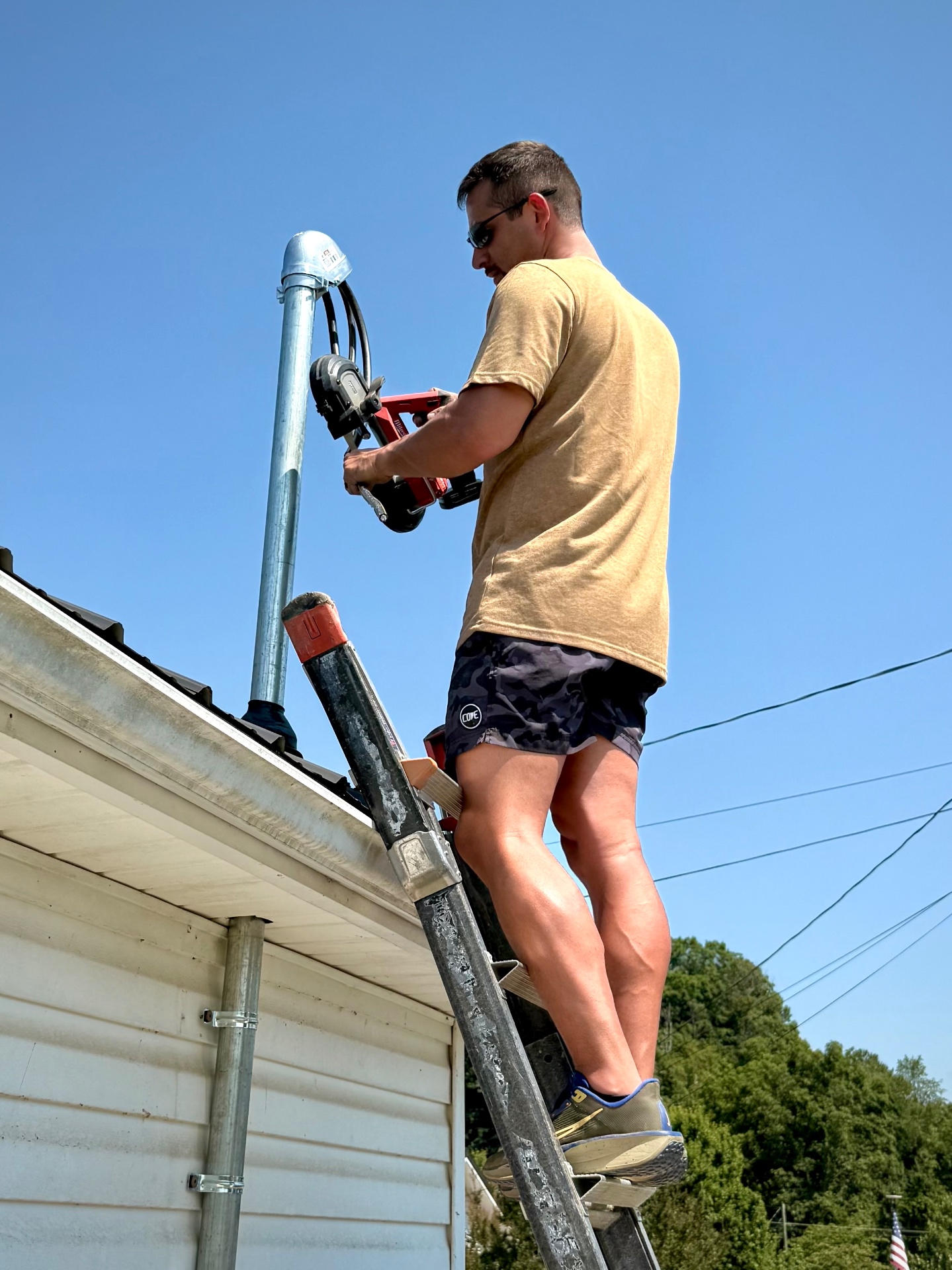
Trent Electrical installs and repairs residential meter bases, service masts, weatherheads, service conductors, disconnects, and grounding for homes and farms across Rogersville, Hawkins County, and surrounding East Tennessee communities.
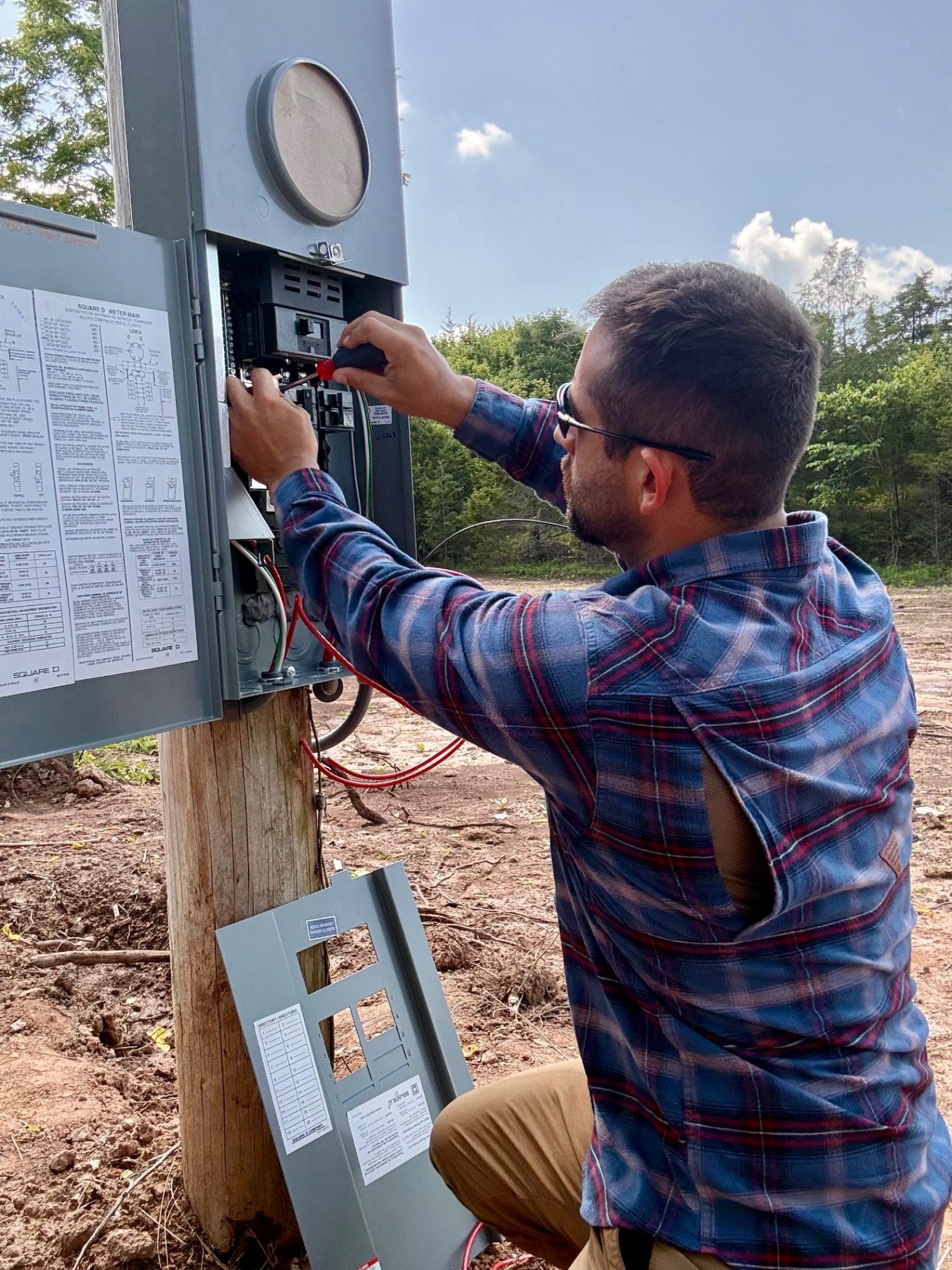
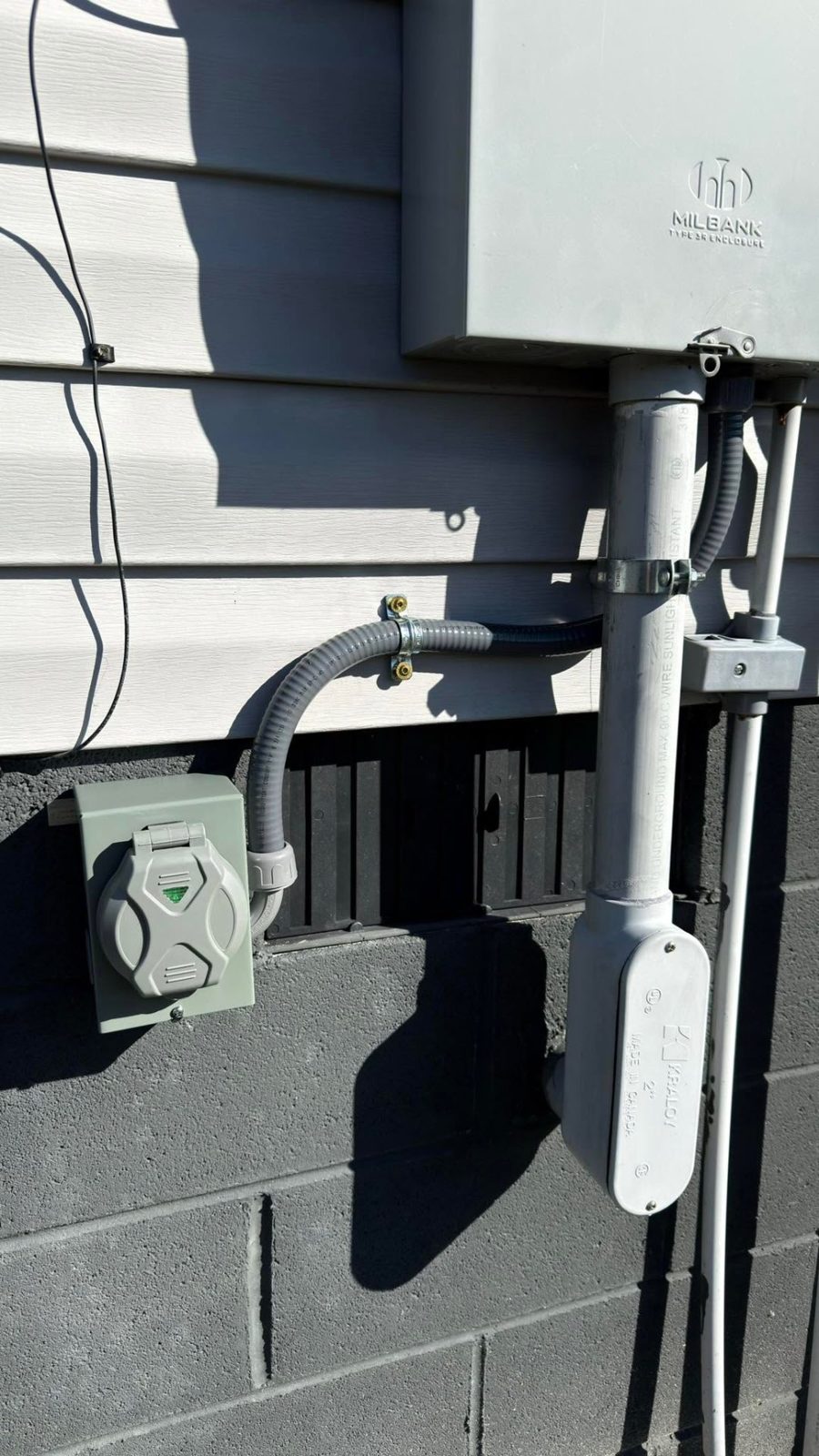
The electrical service entrance is the connection point between the utility and your home. It includes the meter base, the weatherhead or underground lateral, the service mast or riser, the service entrance conductors, and the main disconnect. When any one of those components is damaged or deteriorated, the symptoms can include unstable voltage, tripping main equipment, heat at the meter, water entry, or exposed conductors.
Each service is planned around the serving utility, property layout, equipment condition, and inspection requirements that apply. Overhead and underground arrangements require different routing, supports, weather protection, and coordination.
If a tree or wind event ripped the meter off your siding or pulled the service mast loose, keep clear and call before anyone touches the damaged equipment. The utility may need to disconnect power before the damaged customer-side equipment can be replaced, documented, inspected when applicable, and prepared for utility reconnection.
The utility's requirements and ownership boundary are confirmed for the specific service instead of assuming every provider uses the same arrangement.
Choose meter and service work when the problem is at the utility connection, meter base, service mast, main disconnect, or service entrance conductors. If the indoor breaker box is the weak point, review panel upgrades. If the route to a shop or barn needs buried power, start with underground service.
The meter base is where the utility meter sits outside. The panel is where breakers distribute power through the home. Some jobs involve one; others require both to be reviewed together.
The disconnect and reconnect steps are coordinated with the utility provider so the electrical work, inspection, and service reset happen in the right order.
Often, yes, but the service has to be made safe first. The repair depends on what moved, what cracked, whether conductors were damaged, and what the utility requires before reconnecting.
Many do. The exact requirement depends on the scope, location, utility, and authority having jurisdiction. You’ll receive an explanation of what applies before scheduling.
It depends on the utility feed, terrain, trees, driveway crossings, building location, and future plans for the property. A site walk helps compare practical options.
Review the meter, mast, weatherhead, conductors, grounding, and utility connection point.
Coordinate the drop or lateral pull directly with your utility provider.
Meter equipment, weatherhead or lateral, bonding, and grounding installed for the approved service plan.
Inspection and utility reset are coordinated, with photos and notes kept for your records.
Fuse box, Federal Pacific, and Zinsco replacements with modern breakers.
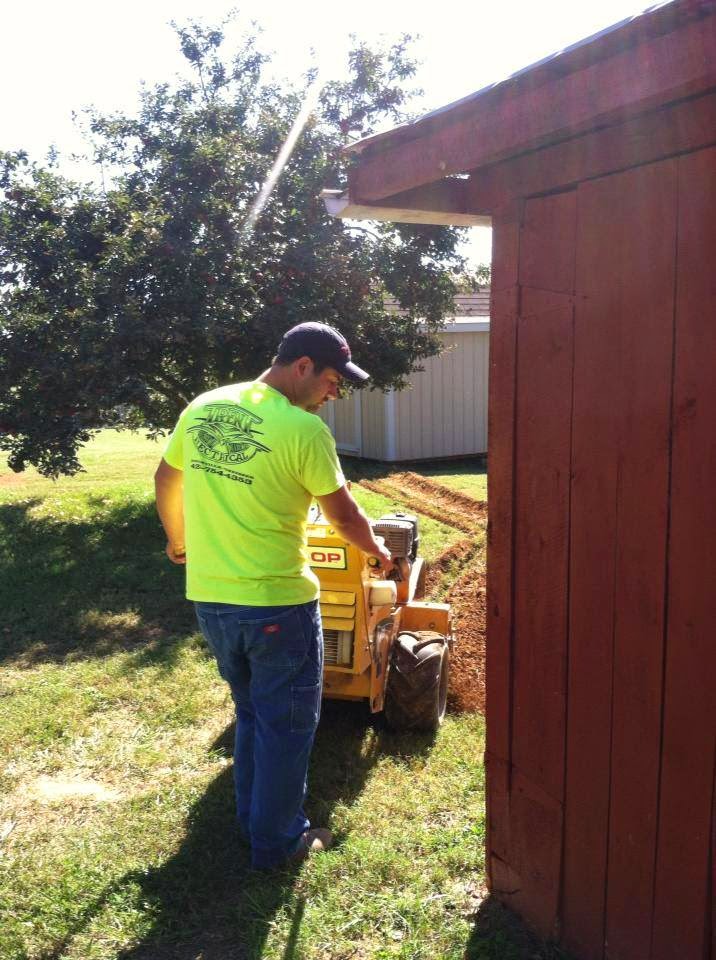
Direct-buried feeders and conduit runs to shops, garages, and outbuildings.
Tripping breakers, flickering lights, and hidden faults traced back to the real source.
Type 2 SPDs at the panel to protect HVAC boards, appliances, and electronics.
Don't see your town? We work across Hawkins County and the surrounding East Tennessee communities — call (423) 754-4353 and we will let you know.
Text or call Ryan directly. Clear answers, honest pricing, no upsells.