Hawkins County · TN

Licensed Residential Electrician in Bean Station, TN

Trent Electrical is a licensed residential electrician serving Bean Station, TN — lake homes, docks, and rural properties around Cherokee Lake. Powering Homes with Integrity since 2013, with 198 5-star Google reviews.

≈ 25 min from Rogersville 198 5-star reviews
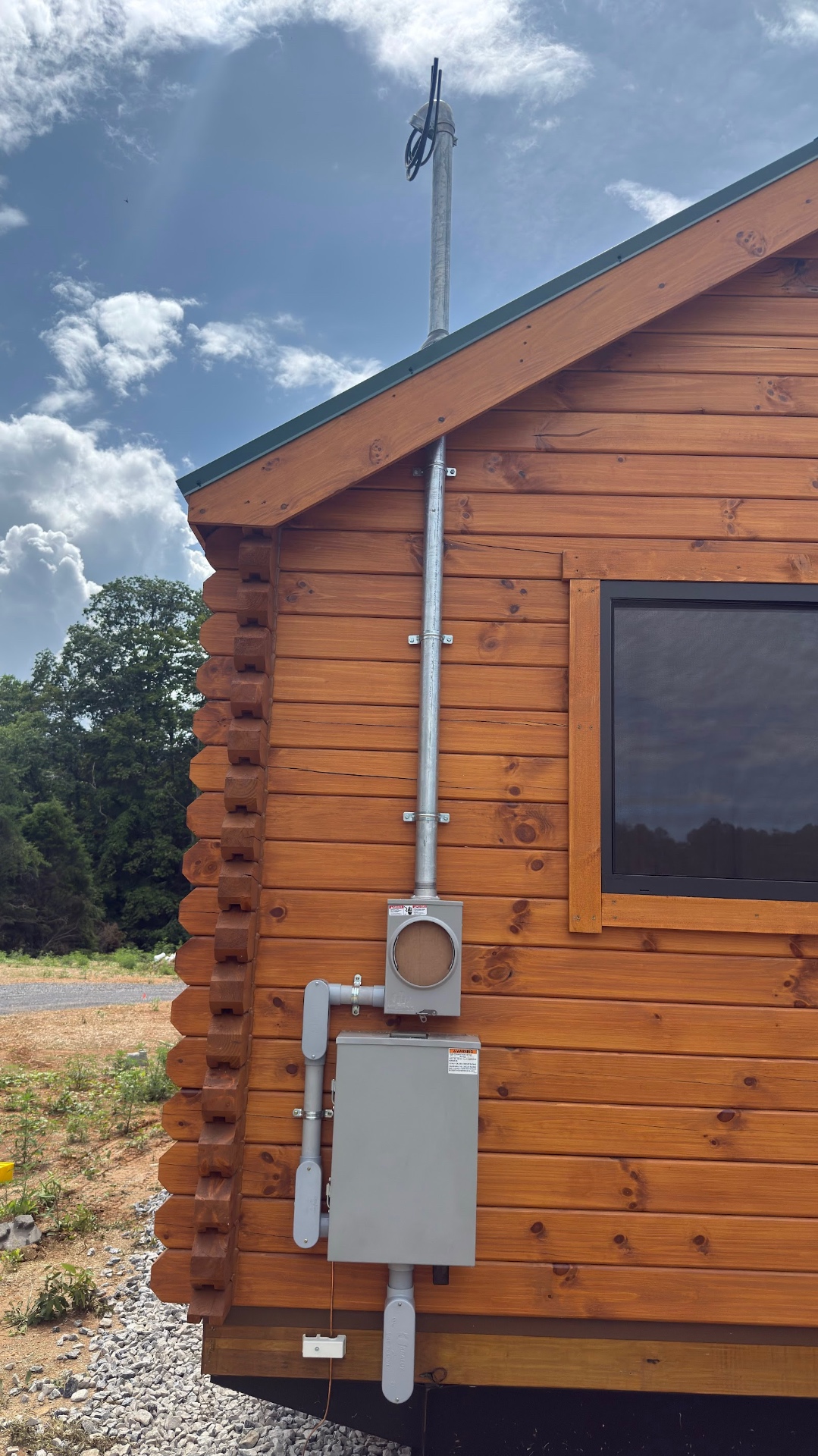
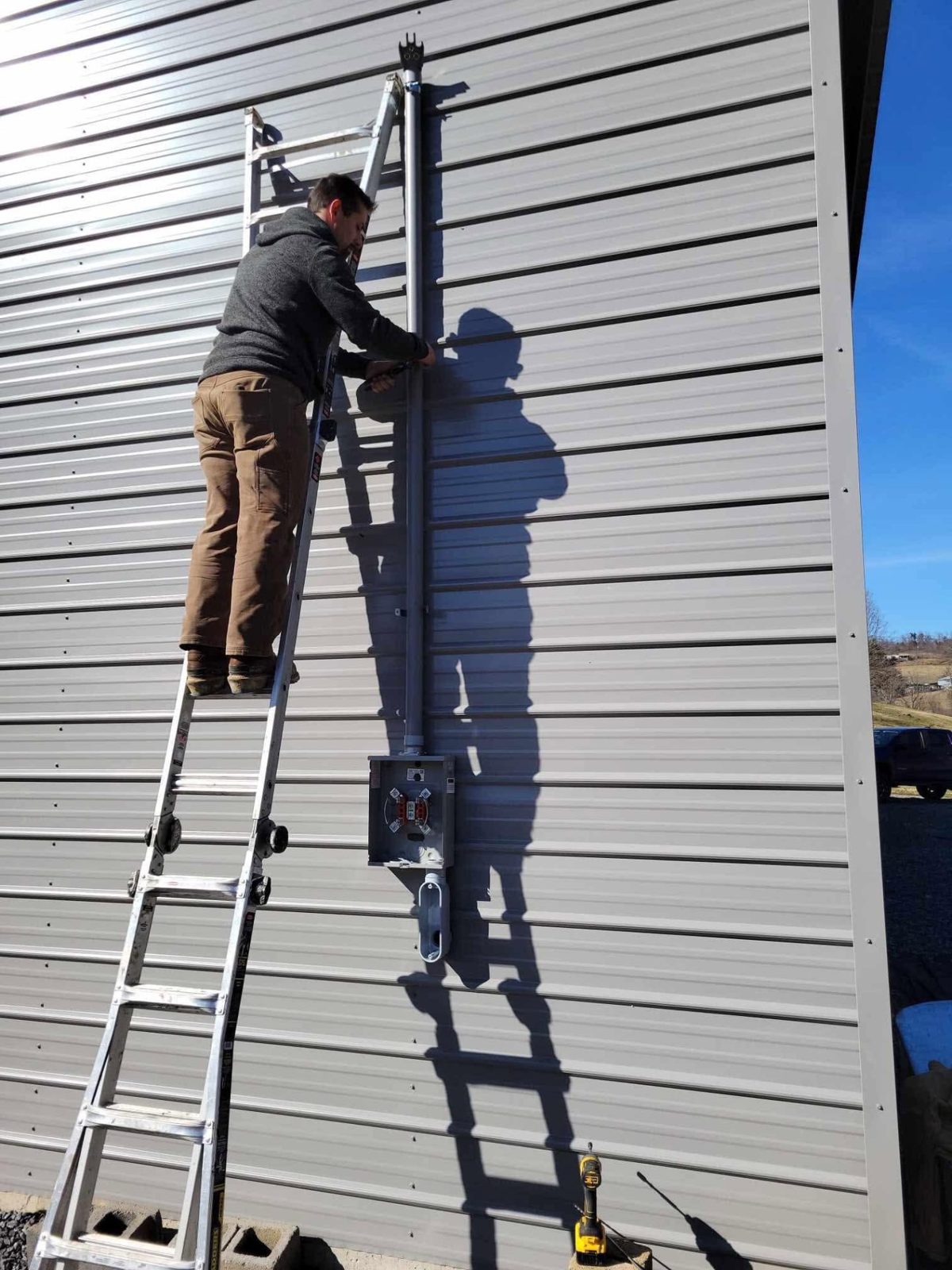
Newly installed residential electrical panel for a Bean Station TN lake home

Residential electrical services in Bean Station

  • Lake Home & Dock Wiring
    GFCI-protected dock circuits, boat-lift power, shoreline lighting, and lake-house panels wired to handle modern loads safely.
  • Panel Upgrades & EV Charging
    200-amp service upgrades and Level 2 EV charger circuits for Bean Station homes that need more power than the original panel can deliver.
  • Whole-Home Surge Protection
    Type 2 SPDs at the panel to protect HVAC, well pumps, and electronics from the lightning that rolls across Cherokee Lake.
  • Outdoor Lighting & Power
    Exterior security lighting, deck and patio circuits, pool and hot-tub power, and dusk-to-dawn fixtures around the property.
  • Troubleshooting & Repair
    Dead dock outlets, circuits that trip after rain, aging lake-cottage wiring, and nuisance breaker trips diagnosed and repaired.
  • Electrical Safety Inspections
    Pre-purchase, pre-renovation, and insurance inspections for lake homes and year-round residences, with written reports and photos.

Bean Station is the lake town in our service area. Cherokee Lake draws weekend homeowners, retirees, and full-time residents who all share one thing: their electrical needs are different from a typical in-town home. Docks need GFCI-protected circuits that can handle a boat lift and a few lights. Lake cottages that were built in the 1970s often have 100-amp panels and cloth wiring that were never meant to run a modern heat pump, a tankless water heater, and a Level 2 EV charger. And because the lake sits in a bowl surrounded by ridges, lightning strikes are a real concern for anything plugged in.

We have been doing residential electrical work in Bean Station since 2013, and we understand the practical side of lake homes. The driveway is long, the dock is down a hill, and the previous owner may have added circuits by the easiest path instead of the right path. We do panel upgrades and service replacements that give you the open breaker spaces and modern grounding you need, we add dock and outdoor circuits the correct way, and we install whole-home surge protection so the next thunderstorm does not cost you a refrigerator and a TV.

The everyday calls in Bean Station are the same mix we see everywhere — a kitchen circuit that trips when the air fryer and the microwave run together, a ceiling fan that wobbles because it was never braced right, a bathroom GFCI that finally quit after twenty years of lake humidity. We handle those calls with the same owner-operated approach: show up on time, diagnose the actual problem, explain it in plain English, and fix it without selling you something you do not need.

If you own a home or dock in Bean Station and need a licensed residential electrician, call Trent Electrical at (423) 754-4353.

Powering Homes with Integrity — serving Bean Station homeowners since 2013.

The Bean Station homeowner’s guide

Everything worth knowing about the wiring in your Bean Station home

Why Bean Station homeowners call Trent Electrical first

Bean Station sits right where Highway 11W meets Highway 25E, and it's a mix you don't see everywhere: working farms, Cherokee Lake waterfront, and homes climbing the base of Clinch Mountain, all within a few miles of each other. That mix means the electrical problems vary a lot from one property to the next, and we've spent years learning the difference between what a farmhouse needs and what a lake cabin needs.

Ryan Trent is the licensed owner-operator, and he's the one who shows up whether you're on a ridge road off Clinch Mountain or down along the shoreline in a cove. No rotating crew, no subcontractor guessing at your property for the first time.

We've built this business in Hawkins and Grainger counties since 2013, and the 198 five-star reviews reflect a lot of repeat customers — farm owners who call us back for the next barn, lake families who call us for the next dock.

  • Comfortable on farms and lake property alike

    Barns, shops, docks, and older farmhouses are all regular work for us, not exceptions.

  • Owner on every job

    The licensed electrician who quotes it is the one who does it.

  • Flat-rate written quotes

    A real price before we start, whether it's a panel job or a dock feeder.

  • Serving both Grainger and Hawkins counties

    Bean Station straddles the line, and we know the permitting on both sides.
Common electrical problems we find in Bean Station homes

Older farmhouses around Bean Station, especially the ones set back off 11W or up toward the mountain, often still carry a mix of decades-old wiring — some knob-and-tube remnants, some aluminum branch circuits from the 60s and 70s, and a panel that's been added onto rather than replaced. Barns and outbuildings on these same properties frequently have feeders that were never properly grounded at the structure, which is a real hazard around livestock.

Down toward Cherokee Lake, the pattern shifts to what we see on any lake property: underground feeders to docks and boathouses, corrosion in panels from the humidity, and GFCI protection that was skipped on shoreline receptacles.

Wherever the problem shows up, we troubleshoot it back to the actual source rather than replacing parts and hoping. On a rural service call that usually means starting at the panel and working outward toward the barn, dock, or wherever the symptom is worst.

  • Breakers that trip under load

    An overloaded circuit or a failing breaker — worth diagnosing, not just resetting.

  • Ungrounded farm outbuildings

    Barns and shops fed off the house without their own grounding electrode system, a serious shock hazard around animals and metal equipment.

  • Aluminum branch wiring

    Common in homes built or wired mid-1960s to mid-1970s; the connections at devices are the failure point.

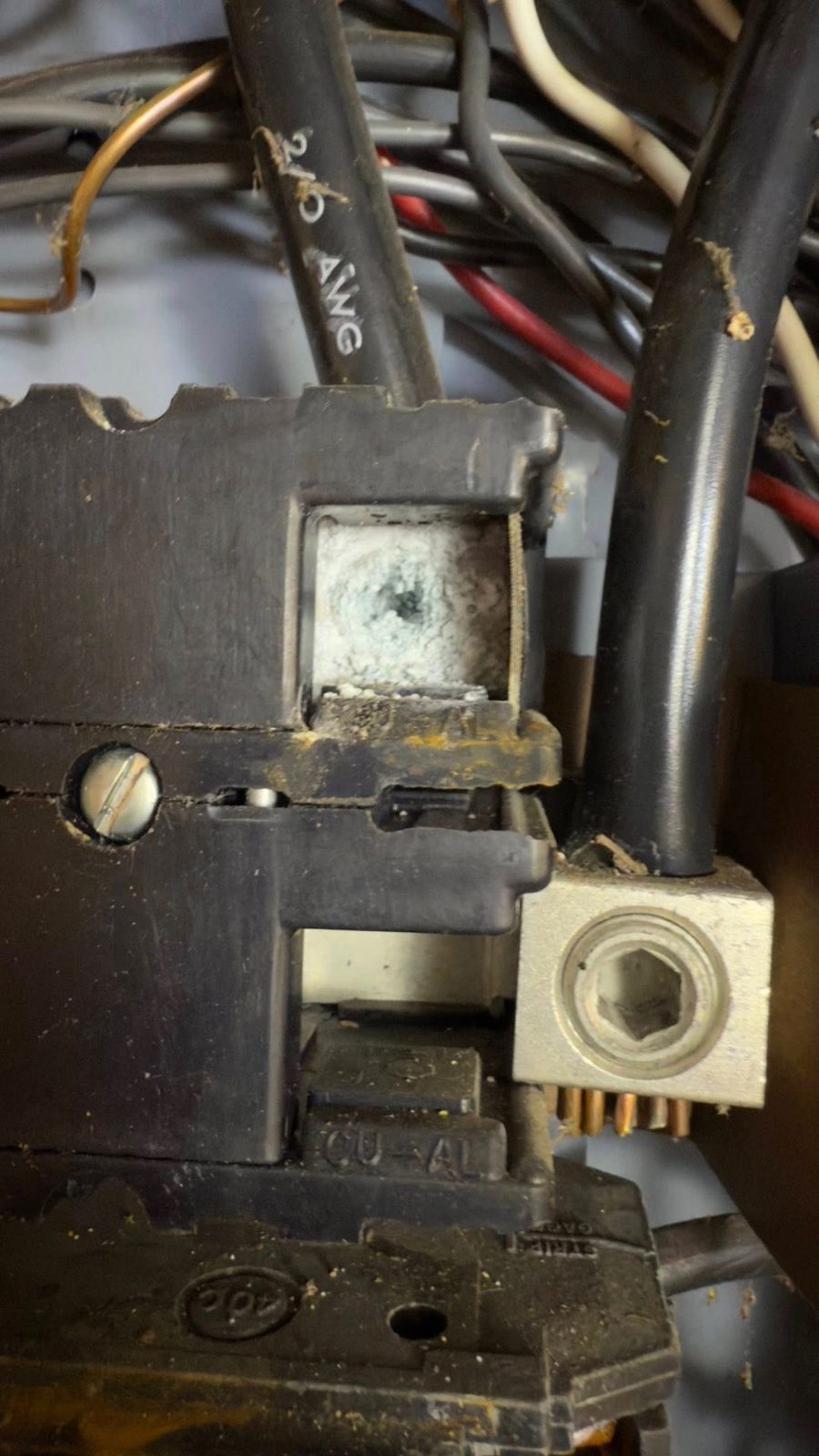
  • Corroded lake-adjacent panels and receptacles

    Humidity off Cherokee Lake accelerates corrosion on busbars and dock receptacles.

  • Undersized service for modern loads

    100-amp services that were fine decades ago now can't handle a heat pump, a well pump, and a shop at once.

  • Storm and surge damage

    Open farmland and shoreline both take real lightning exposure during summer storms.

Older home electrical concerns specific to Bean Station

Bean Station has a lot of long-held family farms and homes that have been added onto generation after generation. It's common to find a house where the original section was wired in the 1950s, a addition went up in the 1980s, and a barn or shop was wired sometime in between by whoever was around that summer — with three different eras of wiring meeting at one overloaded panel.

We don't recommend tearing into a house that doesn't need it. Our older-home visits start with opening the panel, checking grounding and bonding at the house and any outbuildings, thermal-scanning connections under load, and sampling receptacles and switches throughout. You get a written list split between what's a genuine safety issue and what's simply old but functional.

Federal Pacific panels show up often in homes updated between the 1950s and 1980s in this area. If you've got one, read our honest take on FPE panels before deciding what to do about it.

Modern upgrades Bean Station homeowners are asking for

Capacity is the theme here just like everywhere else in the area, but in Bean Station it's often driven by the farm as much as the house — a new well pump, a shop full of tools, or grain and livestock equipment pushing an old 100-amp service past its limit. A 200 amp panel upgrade is usually where that conversation starts.

For lake and mountain properties that take direct lightning exposure, whole-home surge protection has become a standard ask rather than an afterthought — a Type 2 device at the panel is a small cost against a fried well pump control board or HVAC system.

We're also doing a lot of dedicated circuits for shops and barns, EV charger installs for the truck in the driveway, and exterior lighting for properties with long, dark driveways coming off 11W or 25E.

What to expect when you hire Trent Electrical

You call or text and talk to Ryan or someone who can actually answer the question. We ask what the property looks like — house, barn, dock, how many structures are fed, and what's been changed recently — because that shapes what we bring on the truck.

For urgent calls, especially storm damage on a rural service drop or a barn that's lost power to a well pump, we move the same day when we can. For planned work we set a date and keep it, and we walk the property with you before starting so you know exactly what's being done.

When we finish, we clean up, label everything we changed, and show you photos of anything hidden in a wall, buried underground, or inside a panel. We handle the permit and inspection through whichever county your property falls in — Grainger or Hawkins — so you have documentation, not just a receipt.

Electrical safety tips every Bean Station homeowner should know

None of this replaces a licensed electrician, but these habits head off a lot of the emergency calls we run out here.

  • Know where your panel is

    And keep the path to it clear, especially in a farmhouse with a cluttered utility room. Read why this matters.

  • Ground every outbuilding separately

    A barn or shop fed from the house still needs its own grounding electrode system at the structure.

  • Test GFCIs monthly, including at the dock

    Press Test, confirm power drops, press Reset. More on GFCIs.

  • Never reset a breaker twice

    A breaker that trips again, whether in the house or the barn, is telling you something real.

  • Respect the smell test

    A hot-plastic or burning smell near a panel, well pump, or barn breaker box is an emergency.

  • Keep livestock and equipment away from outdoor panels

    Physical damage from animals or machinery is a common cause of farm electrical failures.

Why local code compliance and workmanship matter here

Bean Station straddles Grainger and Hawkins counties, and we work — and pull permits — on both sides. Service changes, panel replacements, meter bases, new circuits, generator interlocks, and separate-structure feeders to barns or docks all require a permit and inspection, and we handle that paperwork as part of the job.

On a farm, code compliance around grounding and bonding at outbuildings isn't a formality — it's what keeps livestock and anyone working in a metal shop safe from a stray voltage fault. On the lake side, it's what keeps a dock safe for swimmers. Either way, an inspected job is your proof the work was done right when you sell the property or file an insurance claim.

If you're buying property here — farm, lake, or mountain — an electrical safety inspection before closing catches issues that would otherwise turn into a negotiation the week before you sign.

Signs your electrical system needs professional attention

Call a licensed electrician if you notice any of the following on the house, in the barn, or at the dock. These are early failure signs, not routine wear.

  • Burning or fishy smell

    Overheating insulation. Shut the breaker off and call immediately.

  • Buzzing at the panel or a barn breaker box

    A loose connection or failing breaker arcing under load.

  • Shocks from a barn faucet, gate, or metal fencing

    A sign of stray voltage from a grounding or bonding fault — treat this as urgent around livestock.

  • Lights dimming when a well pump or shop tool starts

    Points to an undersized or failing service.

  • Corroded panel components near the lake

    Humidity accelerates connection failures faster than an inland property.

  • Frequent bulb burnout

    Often a loose neutral putting the wrong voltage on the circuit.

Preventative maintenance that actually pays off

Farm and lake properties both punish a neglected electrical system faster than a house in a subdivision, so a yearly check is worth the hour it takes.

Once a year: test every GFCI, including any at the dock or in the barn, check the panel cover for rust or moisture staining, look at the meter base and service mast from the ground for a loose strap or corrosion, verify exterior and outbuilding receptacle covers still close, and confirm smoke and CO detectors are within their ten-year window.

Every few years, or after a bad storm off Clinch Mountain or Cherokee Lake, have a licensed electrician thermal-scan the panel under load and re-torque the lugs. It's a short visit that catches the loose connection before it burns a bus bar. If you've got a barn, shop, or dock, add those feeders and their separate-structure grounding to the same visit.

Frequently asked in Bean Station

Answers for Bean Station homeowners

Straight answers to the questions we hear most from Bean Station, TN homeowners — no fine print, no upsell.

Electrical Repairs & Troubleshooting

Panel Upgrades & Breakers

Meter Bases & Service Upgrades

Electrical Safety & Older Home Wiring

Surge Protection & Storms

GFCI & AFCI Protection

EV Chargers & Dedicated Circuits

Lighting, Ceiling Fans & Outdoor Electrical

Generators, Smoke Detectors & Backup Power

Inspections, Permits & Homeowner Questions

Have a different question about your Bean Station home?

Call Ryan · (423) 754-4353
Why homeowners call us back

Why choose Trent Electrical?

The standards behind every job we run in Bean Station, TN — from the first phone call to the final walkthrough.

  • Owner-Operated Service

    Ryan Trent quotes the job, does the work, and answers the follow-up call. Nothing about your Bean Station project gets handed off to a rotating crew who never saw the original problem.

  • Licensed & Insured

    Tennessee licensed and fully insured, with proof available before we start. That protects your home, your homeowner's policy, and any future sale that hinges on documented work.

  • Residential Specialist

    Houses are the whole focus here — no commercial jobs pushing your service call down the schedule. That means faster answers on the wiring, panels, and quirks common in area homes.

  • Honest, Transparent Communication

    You get a flat written price before any work begins and a plain-English explanation of what failed and why. If a repair will hold, we say so instead of selling a replacement.

  • Code-Compliant Workmanship

    Every circuit, panel, and ground is installed to current NEC requirements and inspected where permits apply. You end up with work that passes now and still holds up at resale.

  • Attention to Detail

    Breakers labeled accurately, conductors dressed and torqued to spec, covers sitting flush. The details you never see are the ones that keep a panel cool and trouble-free for decades.

  • Clean & Respectful Service

    Drop cloths down, boots wiped, debris hauled out, and no surprises left behind in your attic or crawl space. Your home looks the way it did before we pulled in the driveway.

  • Reliable Scheduling

    We give real arrival windows and call if anything shifts. When a job needs the utility to cut power, that outage is scheduled around your day instead of dropped on you.

  • High-Quality Materials

    Professional-grade breakers, devices, and weather-rated enclosures — not the cheapest box on the shelf. Better parts are the difference between one repair and a repeat visit next storm season.

  • Advanced Troubleshooting

    Intermittent faults, shared neutrals, and buried splices get traced with meters and method rather than guesswork. You pay for a solved problem, not a string of replaced parts.

  • Safety-First Approach

    Loose lugs, scorched buses, missing grounds, and undersized services get flagged the moment we see them. Small findings caught early are what keep an electrical fire from ever starting.

  • Best of the Best Award Winner

    Voted Best of the Best by Hawkins County readers every single year since the doors opened. That is neighbors voting, not an award purchased from a directory.

  • Highly Rated by Homeowners

    Our Google rating comes from real homeowners describing real jobs — arrival times, pricing, cleanup, and results. Read them before you call; that is exactly why they are there.

  • Locally Trusted Around Bean Station

    We know the utilities, inspectors, and housing stock across Bean Station and Northeast Tennessee. Local knowledge shortens permits, avoids surprises, and gets your power back on sooner.

One call.
Lights back
on.

Text or call. Ryan answers personally. Same-day quotes, honest pricing, no upsells.

Hours
Open 24/7
Based In
Rogersville, Tennessee
Established
Serving East Tennessee Since 2013
Payment Options
Cash · Check · Credit Card