Can the whole shop or barn be wired after the feeder is installed?
Yes. The same project can include the feeder, subpanel, grounding and bonding, interior lights, exterior lights, receptacles, and dedicated tool or equipment circuits.
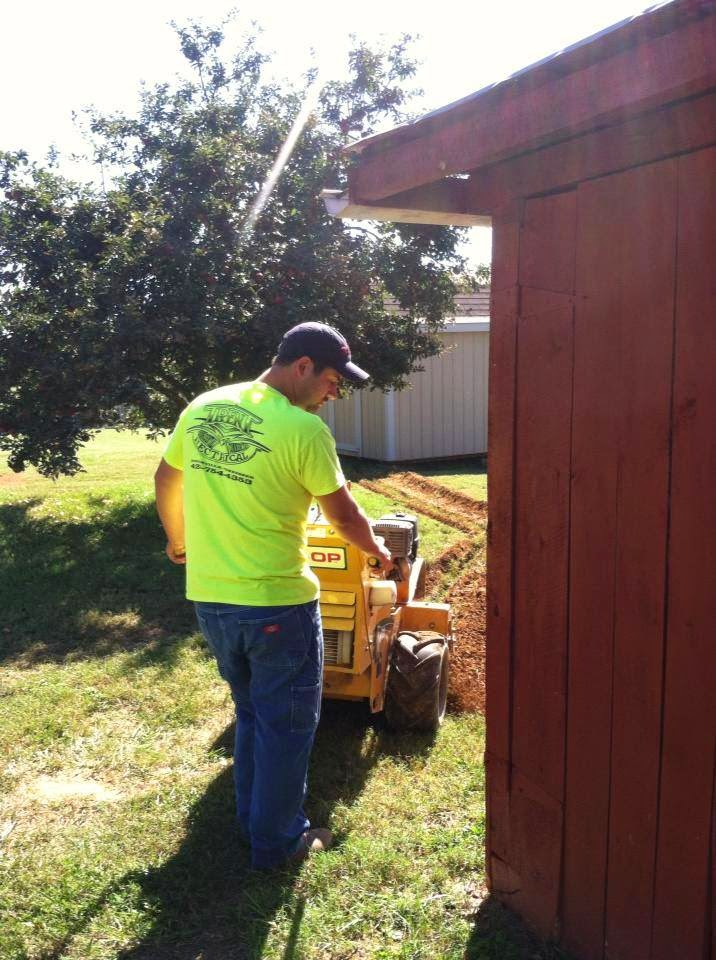
Trent Electrical installs underground electrical service, conduit runs, feeders, subpanels and complete wiring for garages, shops, barns and outbuildings throughout Rogersville, Hawkins County and the surrounding East Tennessee communities.
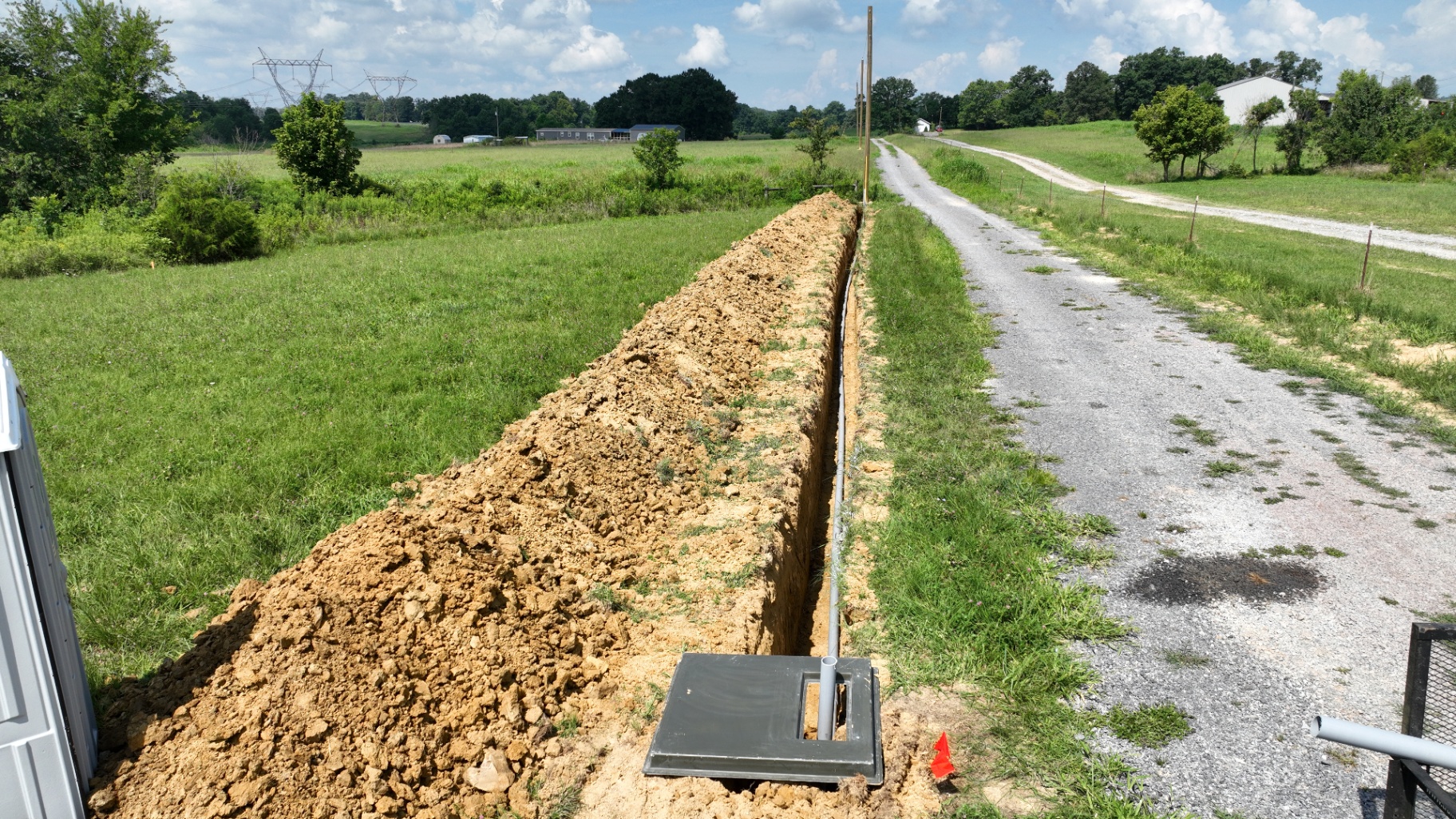
Buried electrical work is difficult to correct after the trench closes. Route, conduit, pull points, physical protection, grounding, utility coordination, and the intended use of the building need to be settled together before excavation.
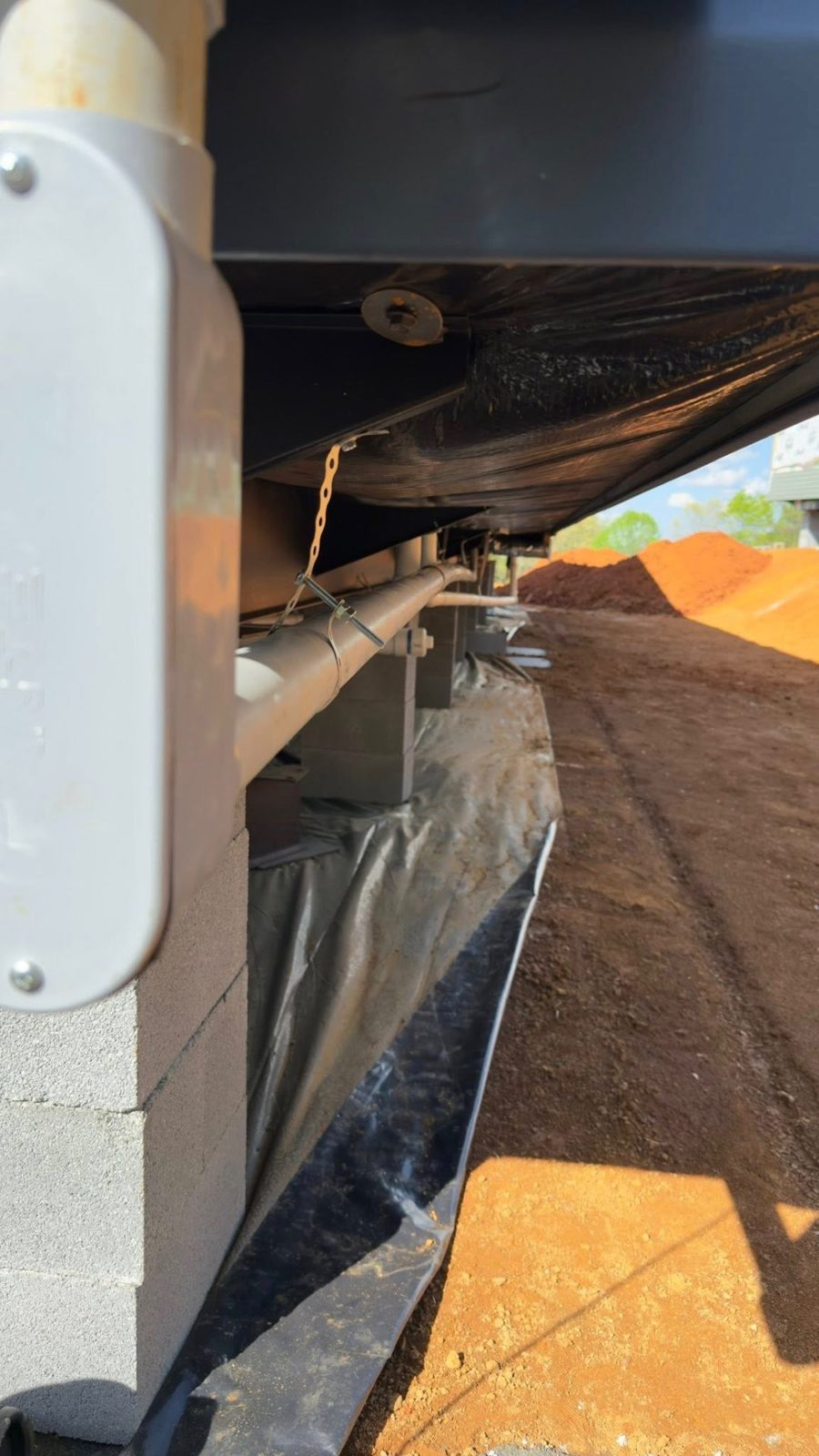
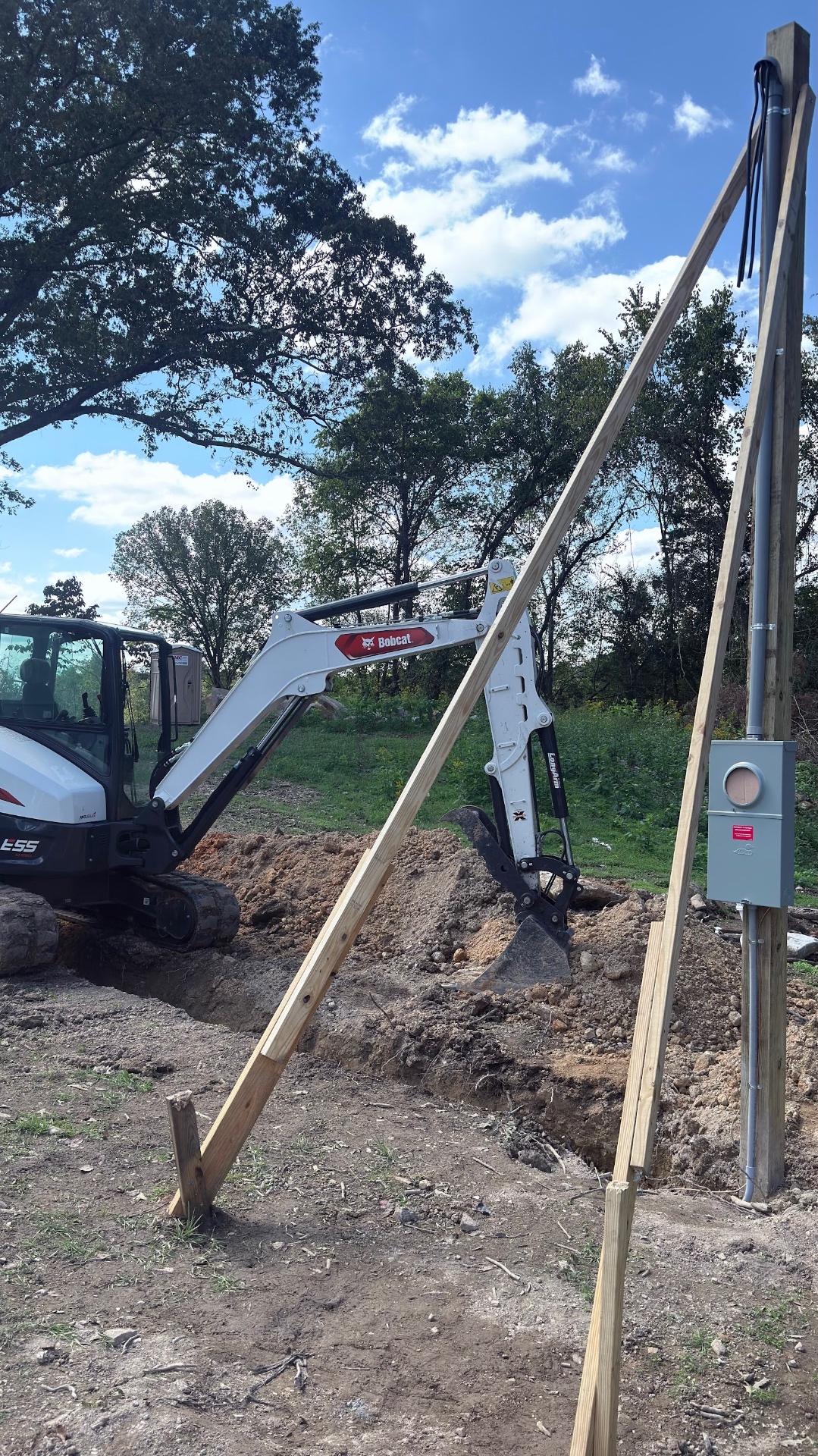
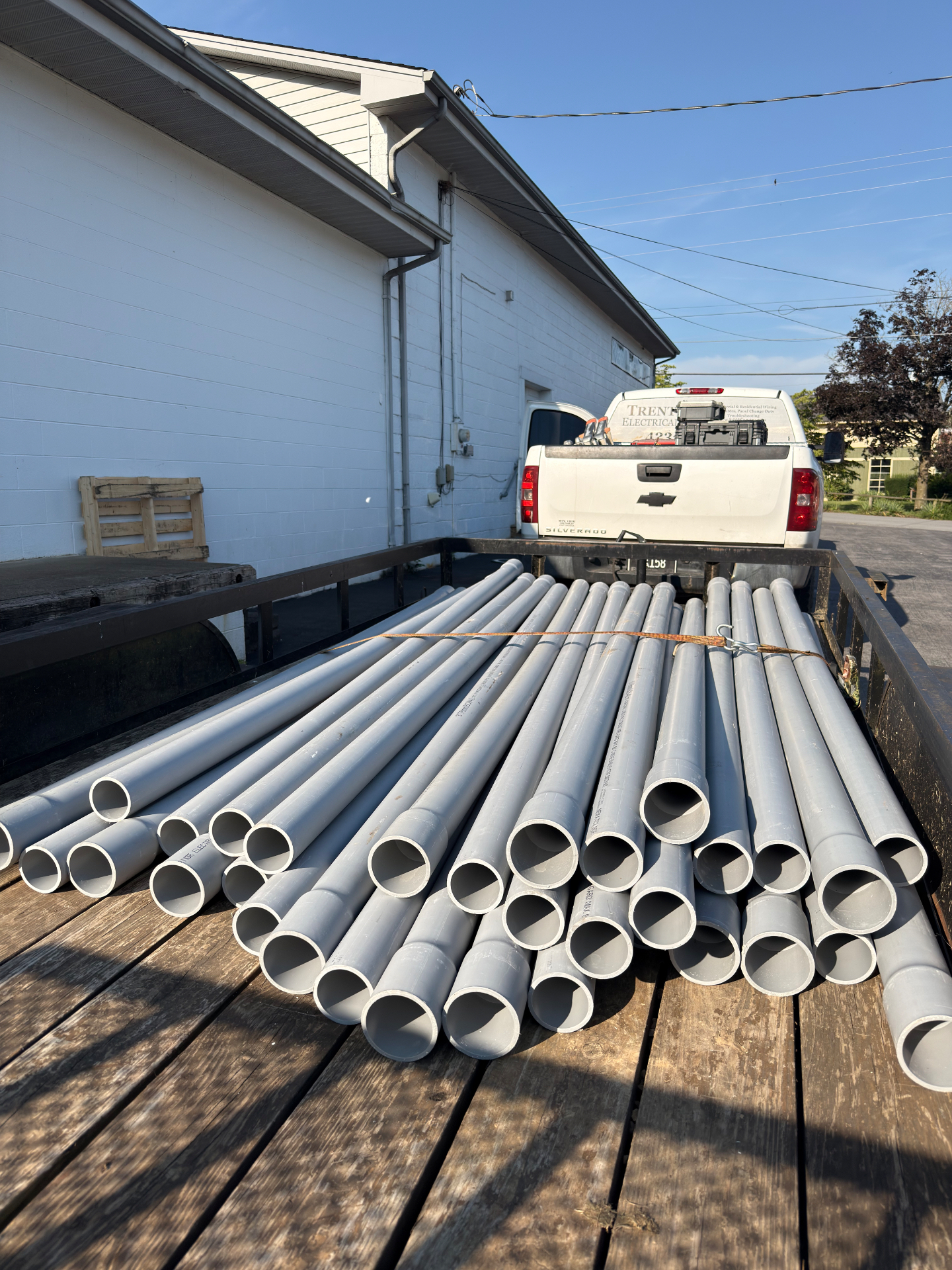
Trent Electrical plans the underground route before digging starts. Conduit type and protection are selected for the location, the risers, the pull path, traffic exposure, and the inspection requirements that apply. Sweeps are planned so feeders pull cleanly, and marker tape or other identification is used where it makes future digging safer.
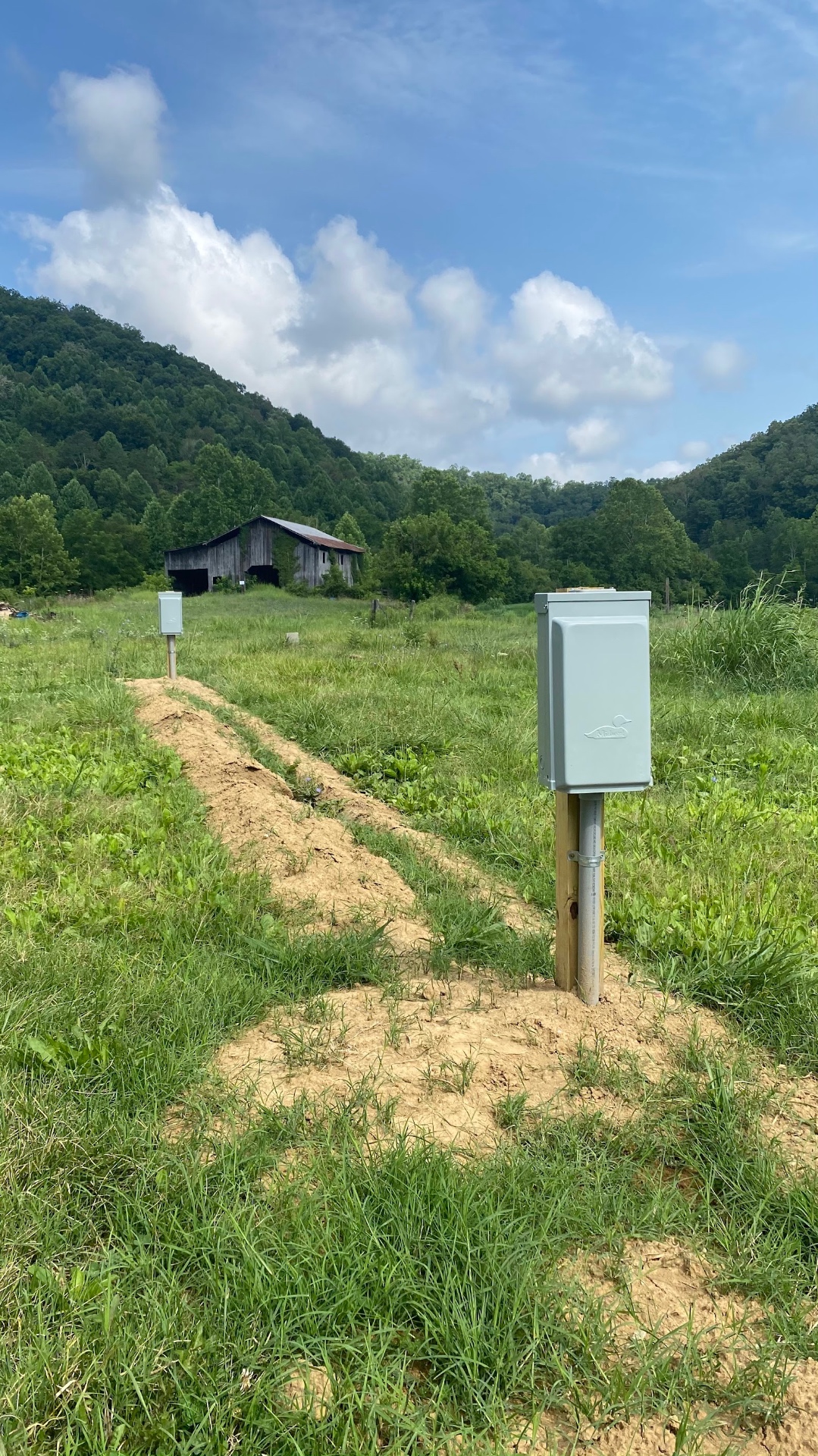
Detached shop and pole barn feeders are our most common underground job. Most rural properties in Hawkins County have at least one outbuilding that needs real power — a shop, barn, garage, equipment shed, or work area. We size the feeder, conduit, and subpanel around the load, the distance, the voltage drop, the available service capacity, and what the building is expected to do.
A useful outbuilding plan accounts for present equipment and realistic future changes. Distance, voltage drop, service capacity, panel space, and likely loads shape the feeder and subpanel before the route is opened.
Choose underground service when power needs to move between the home, meter area, and a detached structure or outdoor equipment location. If the work starts at the utility meter, review meter and service work. If the main panel lacks space or capacity, a panel upgrade may need to come first.
Yes. The same project can include the feeder, subpanel, grounding and bonding, interior lights, exterior lights, receptacles, and dedicated tool or equipment circuits.
The plan considers expected loads, distance, voltage drop, available service capacity, panel space, and what the building may realistically need later.
It is better to talk first. The route, depth requirements, conduit path, utility locates, pull points, and inspection timing can all affect where and when digging should happen.
Yes. A future compressor, welder, freezer, heater, lift, or charger can change how the feeder and subpanel should be planned, even if the equipment is not installed yet.
They often are, but the details depend on the property, utility, and scope. You’ll receive an explanation of what applies before the trench is opened.
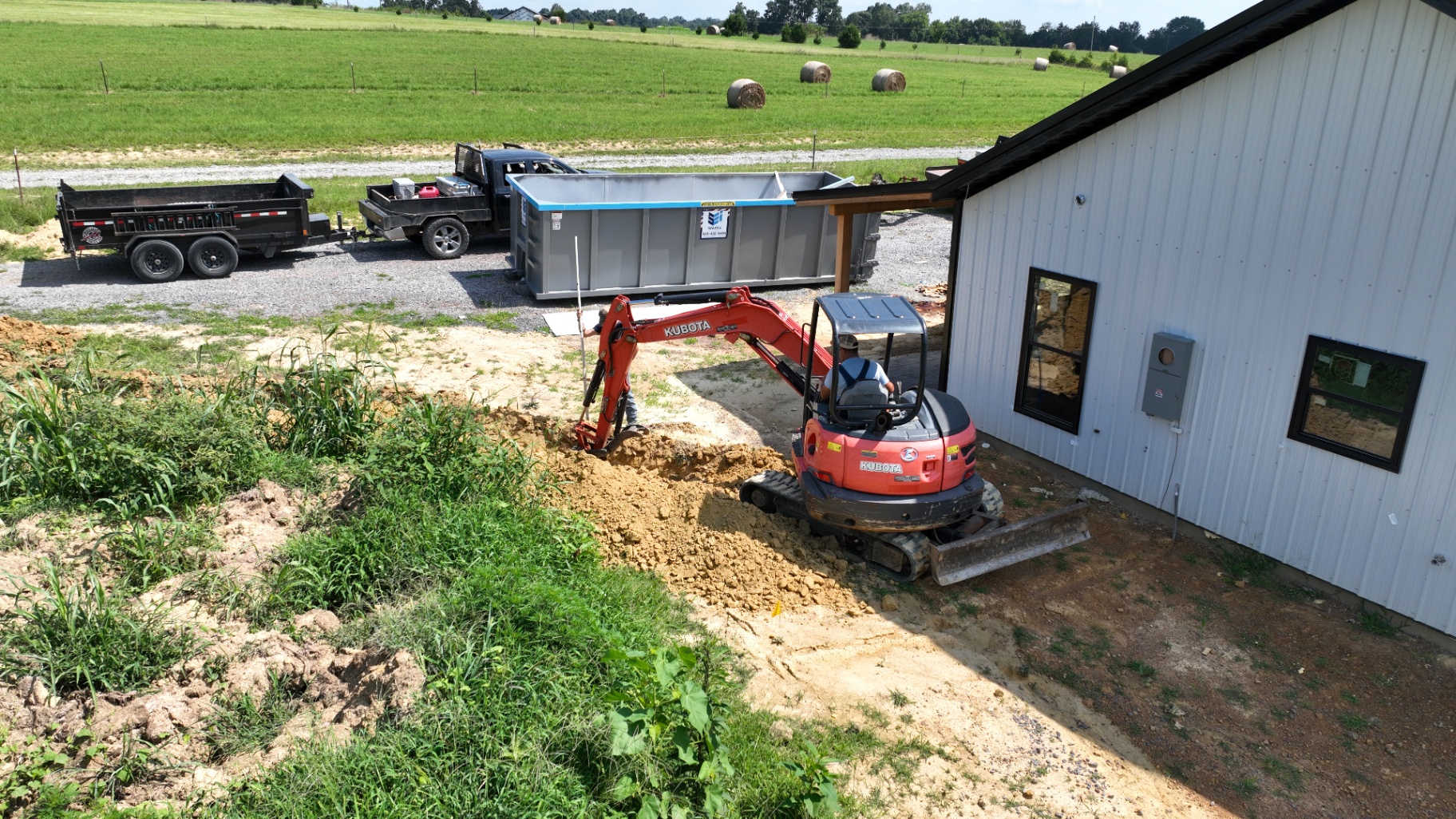
Call before you dig, walk the route, and mark existing utilities.
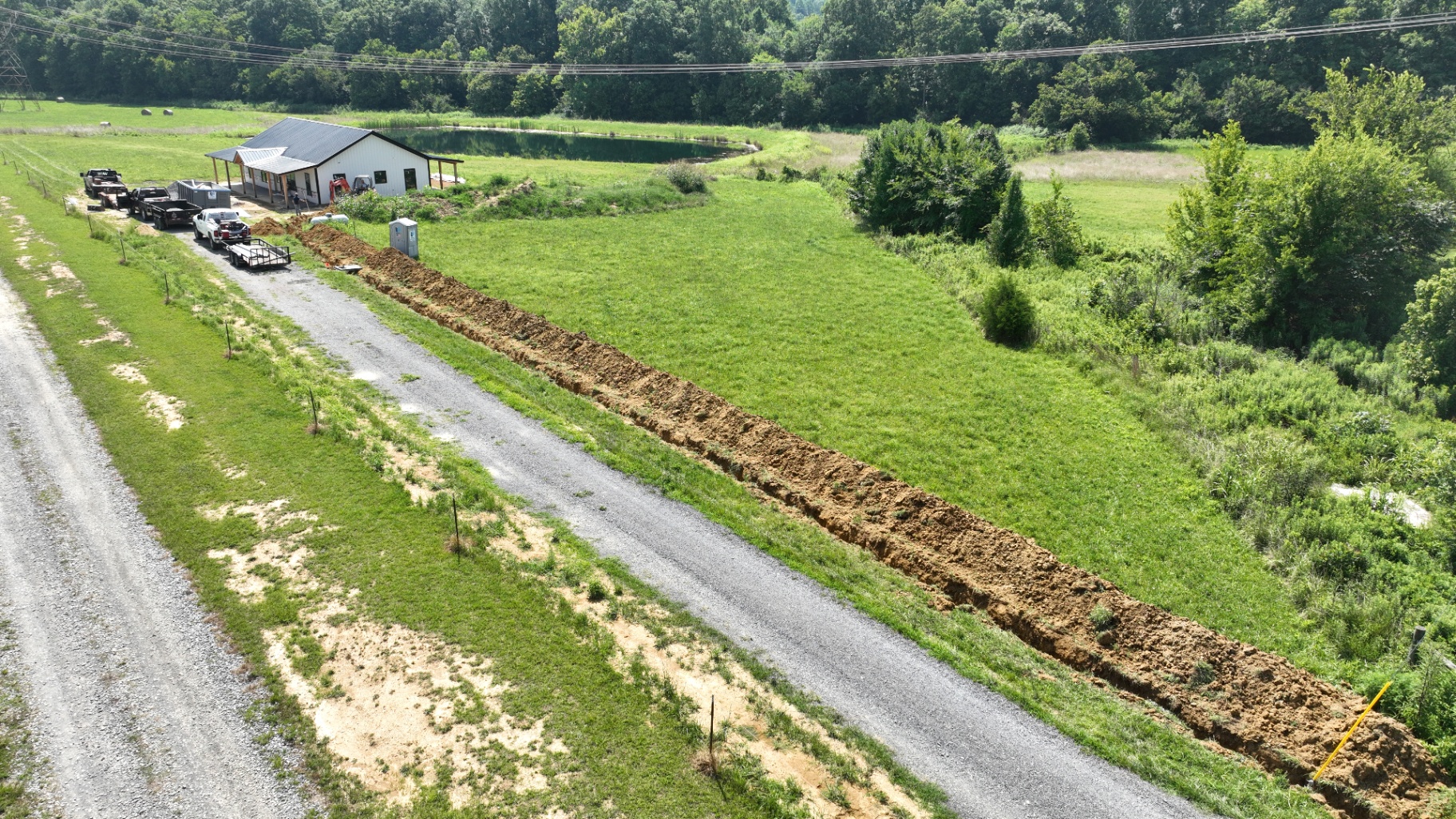
Dig and place conduit for the approved route, with pull points and protection planned before backfill.
Conductors pulled clean, landed in the service or subpanel equipment, and verified before energizing.
Open-trench photos, inspection steps when required, and clear notes on the buried route.
Outlets, switches, GFCI/AFCI corrections, wiring repairs, and dedicated circuits.
Fuse box, Federal Pacific, and Zinsco replacements with modern breakers.
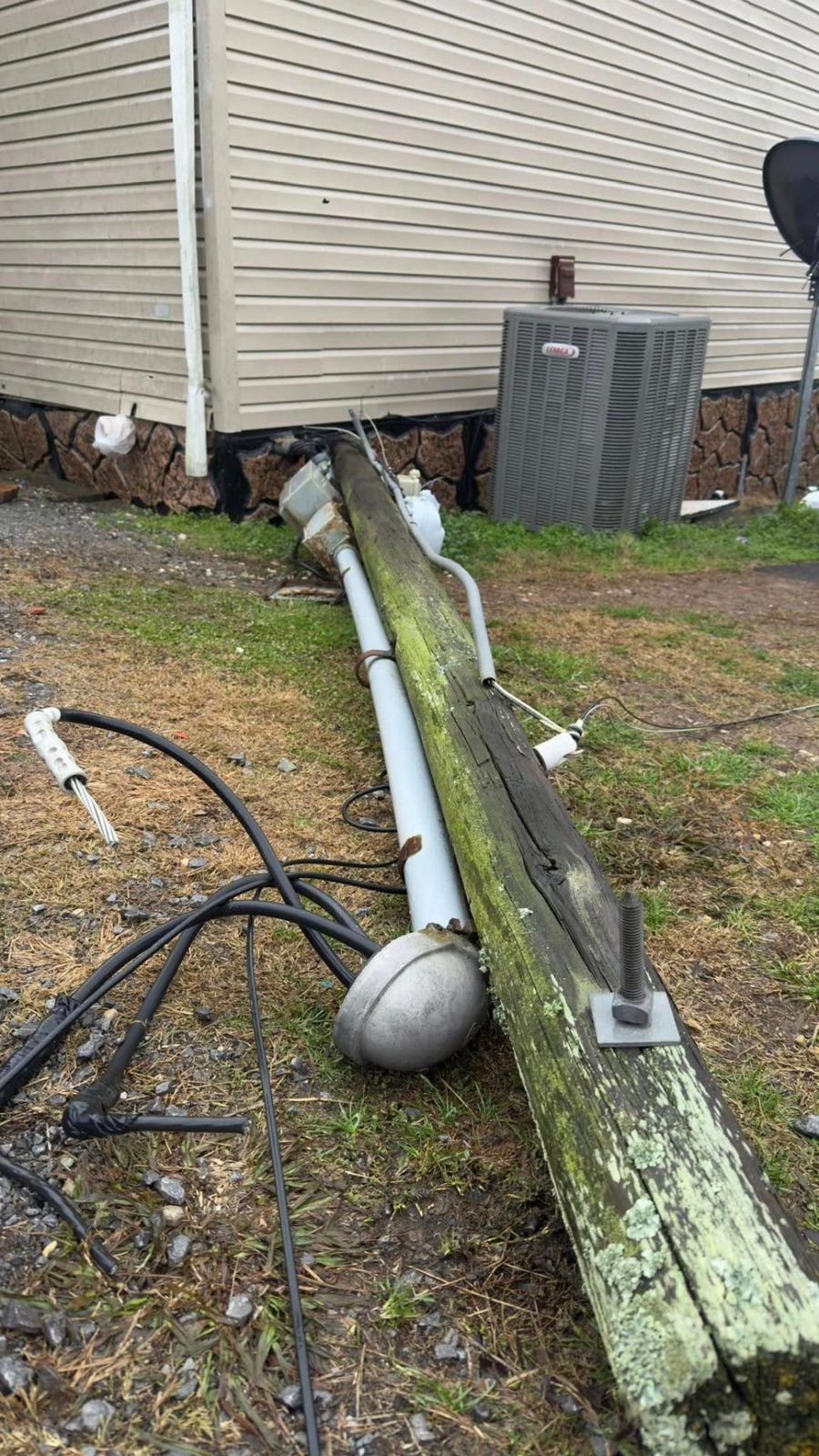
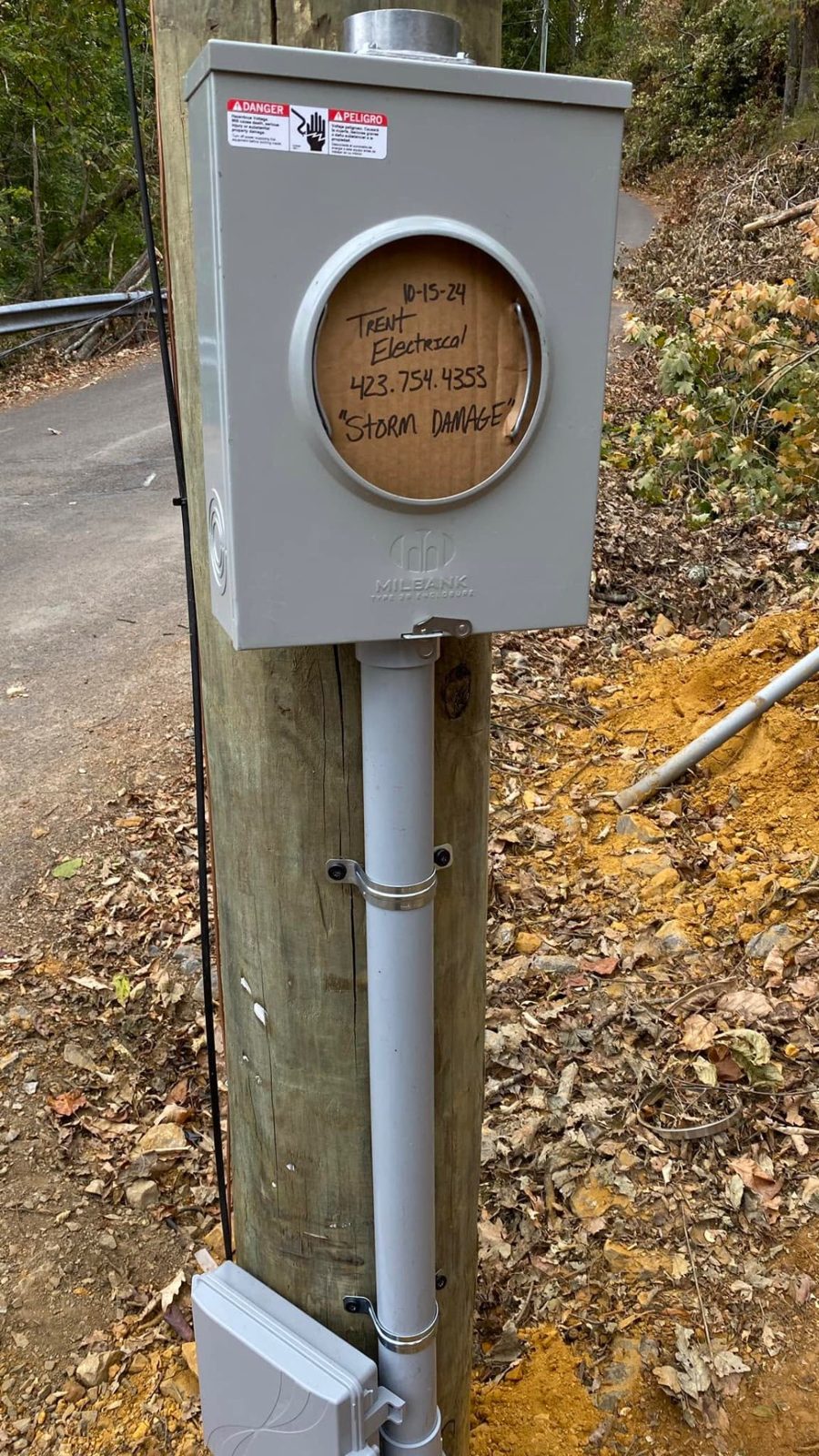
Storm-damaged meter bases and full residential service changes.
Manual and automatic transfer switches wired to keep the essentials running.
Don't see your town? We work across Hawkins County and the surrounding East Tennessee communities — call (423) 754-4353 and we will let you know.
Text or call Ryan directly. Clear answers, honest pricing, no upsells.