
Electrical Outlet, Switch, GFCI & Dedicated Circuit Repair Guide
A loose outlet, buzzing switch or GFCI that will not reset can look like a small parts problem. Sometimes it is. Other times the device is only where a wiring, moisture or load problem becomes visible.
A useful repair starts by identifying the exact symptom and checking the circuit around it before replacing parts. That distinction matters most when the problem is warm, intermittent or shared by several devices.
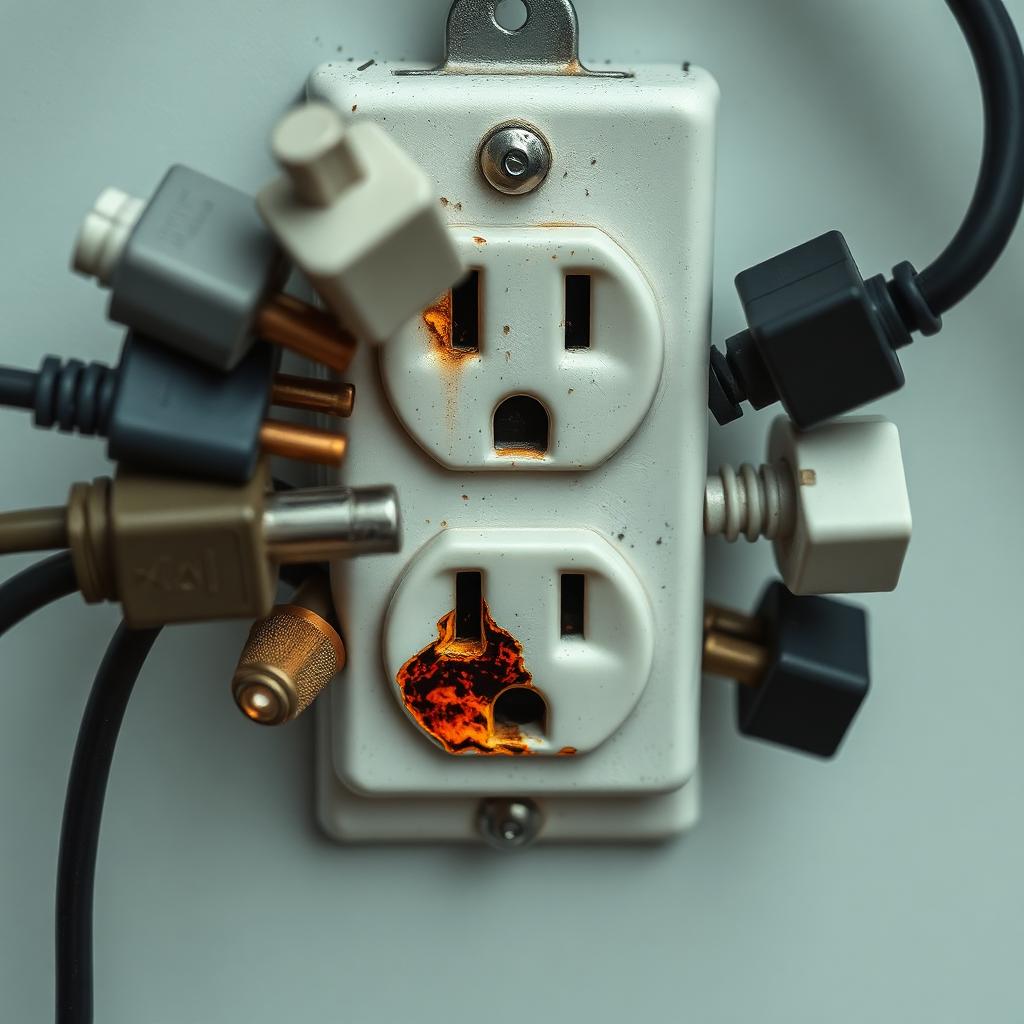
When a device replacement may be enough
A focused replacement may make sense when one receptacle or switch is worn, the box and conductors are sound, the circuit is correctly loaded and testing does not reveal a wider fault. Loose plug tension, a cracked face or a mechanically worn switch can fall into this category.
The repair should still include a look at the terminations and box. A new device cannot correct damaged insulation, an improper splice or heat damage hidden behind the cover plate.
Warm, loose or discolored outlets and switches
Movement, warmth, buzzing, crackling, discoloration and a burning odor deserve more attention than a cosmetic defect. These signs can accompany a loose connection, damaged device contact, overloaded circuit or failing splice.
Stop using an affected device if it is hot, scorched, smoking or sparking. Avoid repeatedly operating it to see whether the symptom returns. The circuit may need to be switched off when that can be done safely and left alone until it is checked.
Why GFCI and AFCI protection trips
A GFCI responds to current taking an unintended path. Moisture, damaged cords, connected equipment, wiring errors and a failed device can all be involved. An AFCI looks for electrical patterns associated with arcing, so a trip can be related to wiring, connections, cords, equipment or the protective device itself.
Replacing the GFCI, AFCI or breaker without testing may miss the reason it operated. Useful clues include which appliance was running, whether damp weather was involved and whether the protection resets only after something is unplugged.
Older two-prong outlets need a real plan
Changing a two-prong receptacle to a three-prong model does not create a grounding path. The existing wiring and box need to be evaluated so the available options can be explained accurately.
The right correction depends on what is actually present. It may involve an existing grounding path, a permitted protection method with appropriate labeling, or new wiring. The important point is that the third opening should represent a system that was checked—not a cosmetic shortcut.
Planning a dedicated appliance circuit
A microwave, freezer, heater, sump pump or other appliance may need a circuit planned around its instructions, expected load and location. The route, panel space, available capacity, breaker and receptacle all affect the scope.
Planning before the appliance arrives helps avoid an extension-cord workaround or discovering too late that the panel or route needs additional work. A dedicated circuit is not automatically the answer for every appliance, but it should be considered before adding a load to an already busy circuit.
Known repair or unknown electrical problem?
If you know which worn device, alarm or planned circuit needs attention, electrical repair service is a practical starting point. If power comes and goes, several rooms are affected, breakers trip without a clear pattern or the symptom moves, diagnosis should come first.
Before the visit, note when the issue occurs, what was running and which devices are affected. That short history can help separate a local device failure from a circuit or service problem.