
Why Are Some Circuit Breakers 15 Amps and Others 20 Amps?
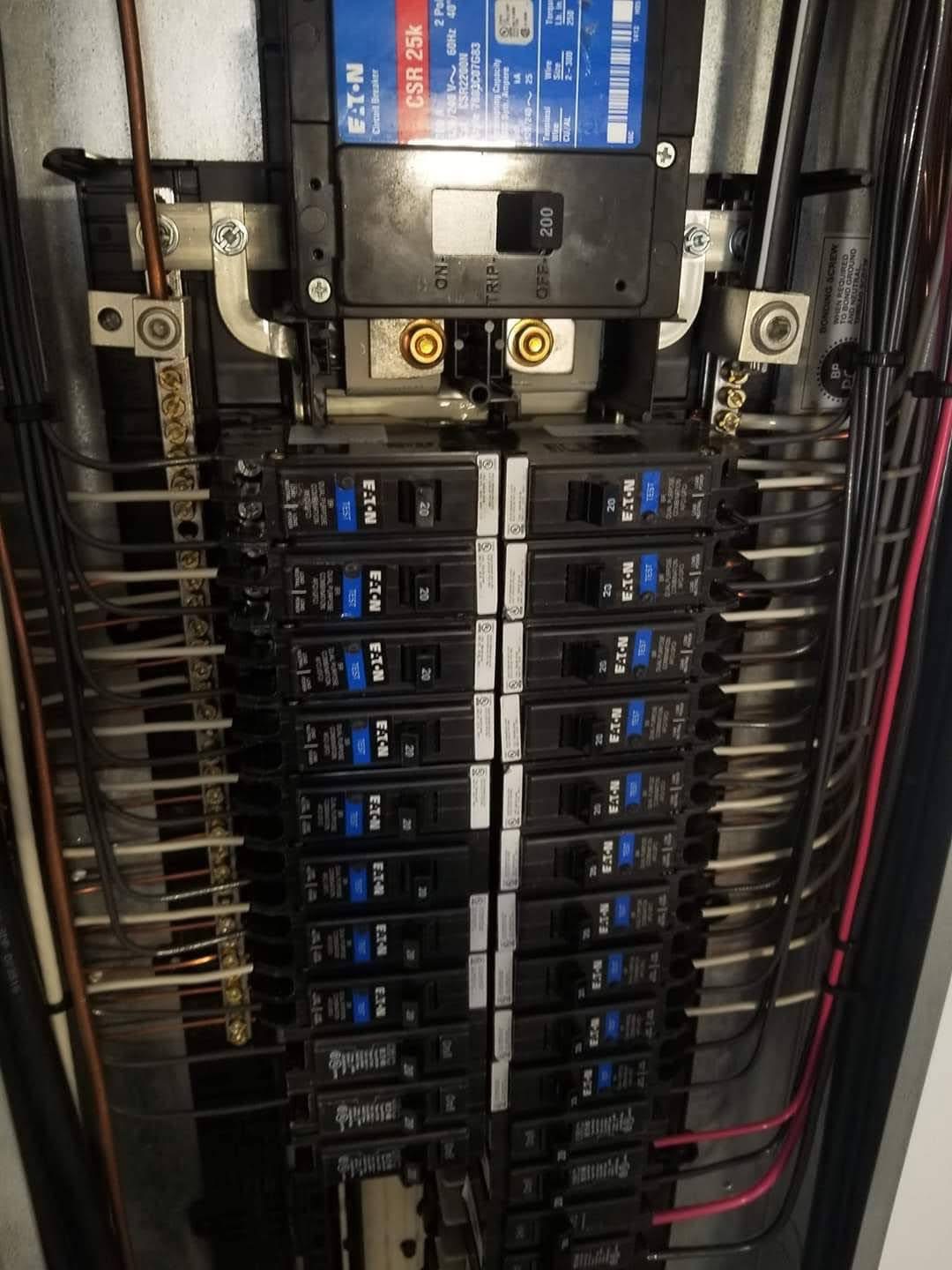
If you've ever opened your electrical panel, you may have noticed that not all the breakers are the same size. Some are labeled 15 amps, while others are 20 amps. Naturally, homeowners ask me, "Why not just make them all 20 amps?"
The answer is actually pretty simple.
A circuit breaker isn't there to protect your TV, your microwave, or your coffee maker. Its job is to protect the wiring hidden inside your walls.
Breakers Are Matched to the Wire
Every electrical wire is designed to safely carry a certain amount of electricity. A typical 15-amp circuit is wired with 14-gauge wire, while a 20-amp circuit is usually wired with thicker 12-gauge wire. The breaker is matched to the wire so it trips before the wire overheats.
That's why you should never replace a 15-amp breaker with a 20-amp breaker just because it keeps tripping. If the wiring wasn't designed for 20 amps, you've removed an important layer of protection.
Why Do Some Rooms Have 15 Amps and Others 20?
It comes down to how much electricity that area is expected to use. Bedrooms and living rooms often have 15-amp lighting and receptacle circuits, while kitchens, laundry rooms, garages, and bathrooms commonly have 20-amp circuits because they power appliances that draw more current.
Is a 20-Amp Breaker "Better"?
Not necessarily.
A larger breaker doesn't mean a better electrical system. It simply means that particular circuit was designed to safely handle a higher electrical load.
One of the biggest mistakes I see is homeowners assuming a larger breaker will solve a nuisance tripping problem. In most cases, the breaker is doing exactly what it's supposed to do. The real solution is finding out why it's tripping instead of installing a larger breaker.
The Bottom Line
Understanding a few basics about your electrical panel can help you make better decisions and avoid costly mistakes. If you're ever unsure why a breaker keeps tripping or why your home is wired a certain way, don't guess. A quick inspection by a licensed electrician can often save a lot of frustration later.