
Why LED Lighting Is Usually the Best Choice for Homes and Businesses
Lighting has changed a lot over the years. It used to be pretty simple: you had incandescent bulbs, fluorescent fixtures, maybe halogen in certain places, and that was about it. Today, LED lighting has become the standard in most new homes, remodels, commercial spaces, shops, garages, exterior lighting systems, and pretty much anywhere else you want efficient, dependable light.
There are good reasons for that.
LED lighting uses less energy, produces less heat, lasts much longer than older lighting technologies, and gives homeowners and businesses a lot more control over brightness, color temperature, appearance, and even how the light is distributed throughout a space.
But choosing LED lighting is not just about saving a few dollars on the electric bill. The right LED fixtures can make a house feel cleaner, brighter, more modern, and more comfortable while also reducing maintenance and improving the overall lighting quality.
At Trent Electrical, we install and replace lighting throughout East Tennessee, and one thing I have noticed is that people are often surprised by how much difference a properly designed LED lighting setup can make.
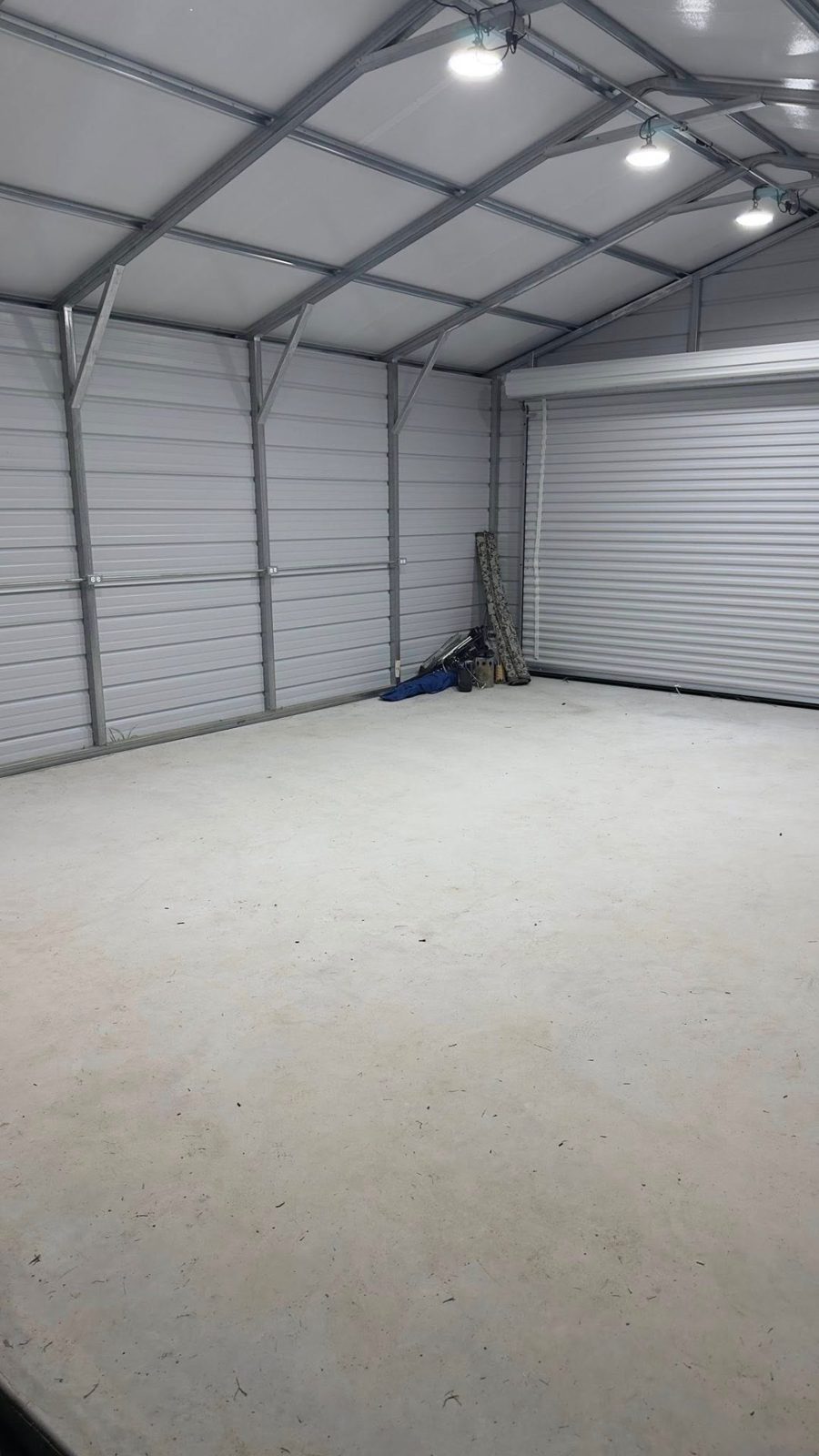
LED Lights Use Much Less Energy
One of the biggest advantages of LED lighting is efficiency.
Older incandescent bulbs create light by heating a filament until it glows. A large amount of the energy used by the bulb ends up becoming heat instead of useful light.
LEDs work differently.
They produce light electronically, which allows them to create the same amount of visible light while using much less electricity.
That means a modern LED bulb can often replace a much higher-wattage incandescent bulb while producing similar or better brightness.
For one lamp, the savings may not seem dramatic.
Multiply that across an entire home, office, shop, warehouse, church, restaurant, or commercial building and the difference becomes much more noticeable.
Lighting is one of those loads that can operate for hours every day, so reducing the wattage across dozens or hundreds of fixtures can make a real difference over time.
LEDs Produce Less Heat
This is one of the benefits people do not always think about.
Traditional incandescent and halogen lighting can get extremely hot.
That heat ends up in the room.
In the summer, your air-conditioning system may then have to remove some of that extra heat from the building.
LED lighting still creates some heat, but it generally produces much less radiant heat than older lighting technologies.
That makes LED lighting especially useful in kitchens, recessed lighting, commercial spaces, display areas, closets, offices, and other places where older lamps could noticeably warm the area around them.
It also means the fixture itself often stays more manageable compared with older high-wattage bulbs.
LED Lights Usually Last Much Longer
Another big advantage is lifespan.
Anyone who has owned older incandescent or fluorescent lighting knows the routine. A bulb burns out. You replace it. A few months later another one goes. Then another.
LED lighting can last significantly longer when quality fixtures are used and the installation conditions are correct.
That is especially helpful in areas that are difficult to reach.
High ceilings, stairwells, exterior soffits, commercial buildings, warehouses, parking areas, and outdoor fixtures are all places where changing a lamp can be more trouble than the lamp itself costs.
Longer-lasting lighting means less maintenance and fewer trips up a ladder.
For a homeowner, that is convenient.
For a business, it can reduce maintenance time and operating cost.
The Quality of Light Is Better Than It Used to Be
Some people still hear “LED” and picture the harsh blue-white lights from years ago.
Modern LED lighting is much better.
You can now choose from a wide range of color temperatures and light qualities.
That means you can install warm lighting in a living room, clean neutral lighting in a kitchen, brighter white light in a garage, and daylight-style lighting in a workshop.
The key is choosing the right color temperature for the room.
Understanding LED Color Temperature
LED lighting is commonly described by color temperature, measured in Kelvin.
The number can sound technical, but the basic idea is simple.
Lower numbers look warmer and more yellow.
Higher numbers look cooler and more white or blue.
Around 2700K gives you a warm, traditional appearance similar to incandescent lighting.
Around 3000K is still warm but a little cleaner and more modern.
Around 3500K is a good middle ground for many kitchens, offices, and commercial spaces.
Around 4000K gives you a brighter, cleaner white appearance that works well in garages, shops, utility areas, and some commercial buildings.
Around 5000K looks more like daylight and can work well in certain work areas, but it can feel harsh in living spaces if it is overused.
There is no single color temperature that is best everywhere.
The best result usually comes from matching the light to the room.
One Color Temperature Throughout the House Usually Looks Better
A common mistake is mixing several different color temperatures in the same visible area.
You might have one recessed light at 2700K, another at 4000K, and a pendant at 5000K.
Individually, each light works.
Together, the room can look strange. One fixture looks yellow. Another looks blue. Another looks somewhere in between.
For most homes, consistency makes the lighting look more intentional.
You can still use different temperatures in different areas, but within one open space it usually looks better to keep things coordinated.
LED Lighting Gives You Better Control Over Brightness
LEDs work very well with dimming when the fixture and dimmer are compatible.
That lets you use the same lighting differently throughout the day.
Bright light while cooking. Lower light while eating dinner. Dimmer light while watching television. More light when cleaning. Less light at night.
That flexibility can completely change the feel of a room.
It is one of the reasons I like installing dimmers in living rooms, kitchens, dining rooms, bedrooms, and other areas where the lighting needs change depending on what the homeowner is doing.
Not Every LED Works With Every Dimmer
This is important.
Just because a bulb says LED does not mean it will work correctly with every dimmer switch.
An incompatible combination can cause flickering, buzzing, poor dimming range, flashing, or lights that will not shut completely off.
If you are upgrading older lighting to LED and keeping an existing dimmer, compatibility should be checked.
Sometimes replacing the old dimmer with one designed for LED loads makes a huge difference.
LEDs Can Make a Room Feel Bigger and Cleaner
Good lighting changes how a room looks.
A dark room can feel smaller than it actually is.
Poorly placed fixtures create shadows and dark corners.
A properly designed LED layout can make a room feel more open, cleaner, and more modern.
This is especially noticeable when replacing one central ceiling fixture with properly spaced recessed lighting.
Instead of one bright spot in the middle of the room and darker areas around the walls, the light can be distributed much more evenly.
That is not really about the bulb itself.
It is about combining efficient LED technology with better lighting design.
Recessed LED Lighting Has Changed Remodeling
Modern wafer-style LED recessed lights have changed the way electricians install lighting.
Traditional recessed cans required more space above the ceiling and could be difficult to install around framing, ductwork, pipes, and other obstacles.
Many newer LED wafer fixtures are extremely thin.
That gives us much more flexibility when adding lighting to an existing ceiling.
Depending on the fixture and installation, they can sometimes fit in areas where a traditional recessed housing would not.
That makes them especially useful for remodels.
They create a clean appearance without large hanging fixtures and can make an older room look significantly more modern.
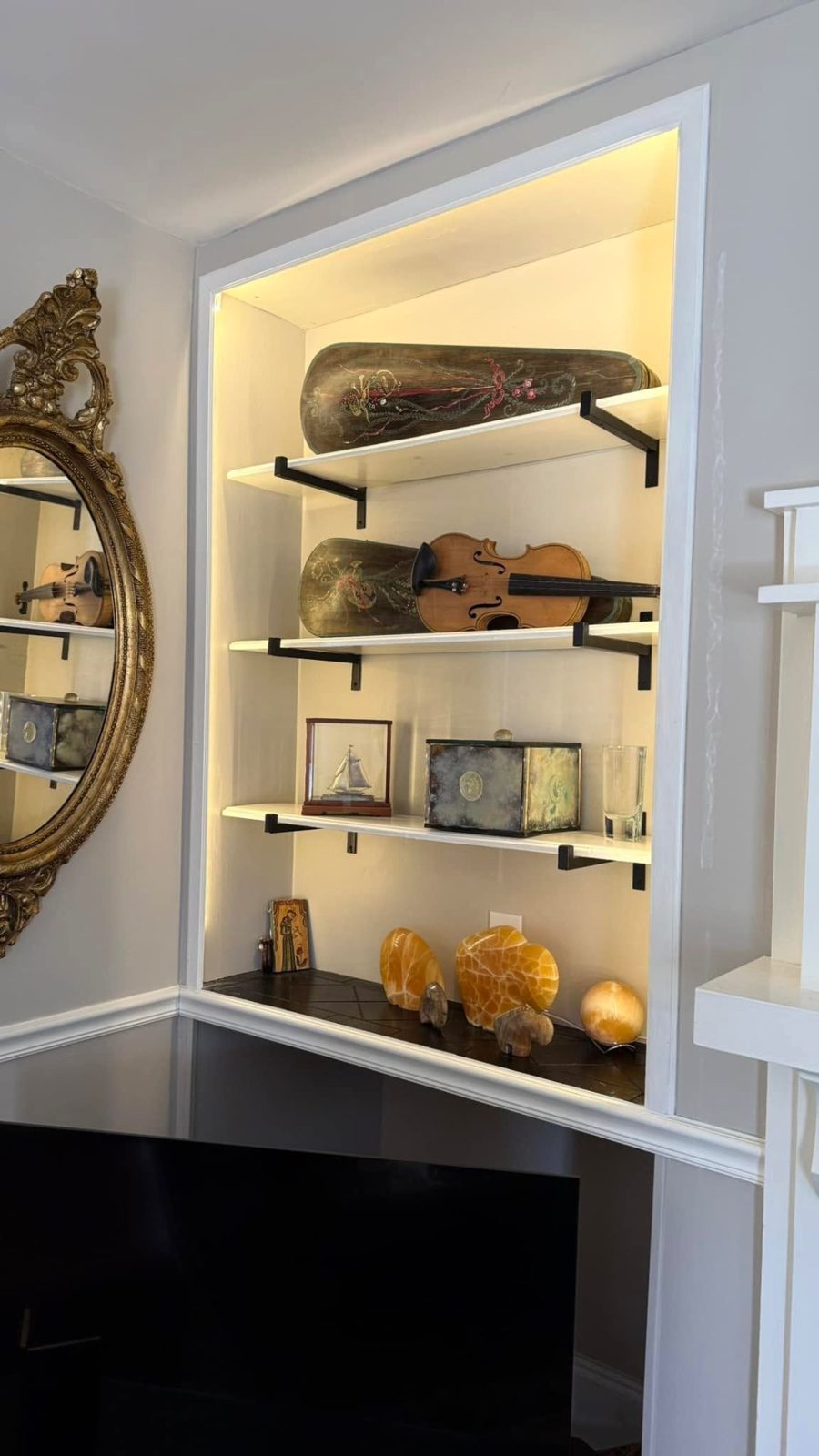
Kitchens Benefit a Lot From Better LED Lighting
The kitchen is probably one of the best places to invest in good lighting.
A lot happens there. Cooking. Cleaning. Food preparation. Reading labels. Entertaining.
Older kitchens often have one central ceiling fixture or a few poorly placed lights that leave countertops dark.
A better LED layout can include recessed lighting, under-cabinet lighting, pendant lighting, and task lighting where it is actually needed.
The difference can be dramatic.
The goal is not simply making the room bright.
It is putting light where people actually use it.
Under-Cabinet LED Lighting Is One of the Best Kitchen Upgrades
Under-cabinet lighting is a good example of a small upgrade that can make a big difference.
Upper cabinets naturally block ceiling light from reaching the countertop directly below them.
That can leave your work surface in shadow even when the kitchen itself seems bright.
LED under-cabinet lighting puts light directly onto the countertop.
It improves visibility while cooking and also creates nice ambient lighting when the main ceiling lights are off.
It is practical and decorative at the same time.
Garages and Workshops Are Perfect for LED Lighting
LED lighting has also made a huge difference in garages and workshops.
Old fluorescent shop lights can flicker, buzz, start slowly in cold weather, and require lamp replacement.
Modern LED shop fixtures can provide more consistent light, start immediately, and usually require much less maintenance.
Good lighting in a workshop also improves safety.
If you are using saws, drills, automotive tools, or working around electrical equipment, being able to clearly see what you are doing matters.
In a garage, I usually prefer brighter, cleaner light than I would use in a living room.
The purpose of the space is different.
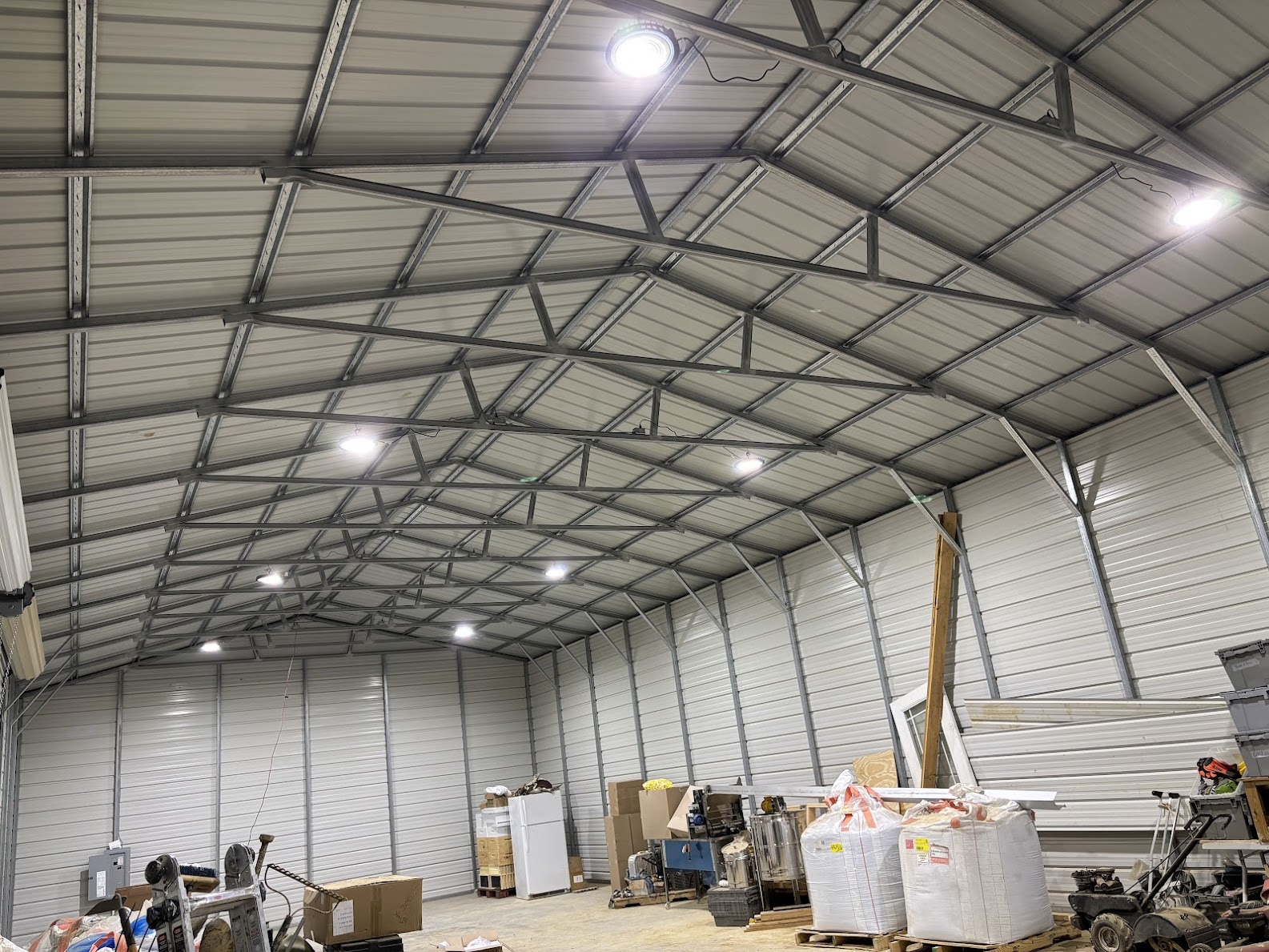
Commercial Buildings Can See Significant Benefits
The energy savings become even more important in commercial environments.
Think about a retail store or office building where the lights operate eight, ten, or twelve hours every day.
Reducing the wattage of each fixture can add up quickly.
Businesses may also have dozens or hundreds of fixtures, which means maintenance costs matter.
Replacing burned-out fluorescent lamps and ballasts takes time.
With properly selected LED fixtures, the maintenance interval can be much longer.
That makes LED retrofits one of the more practical upgrades for many older commercial buildings.
Replacing Fluorescent Lighting With LED
There are several ways to convert older fluorescent fixtures to LED.
Sometimes the entire fixture is replaced.
Other times LED lamps are installed in the existing fixture.
Certain retrofit lamps are designed to work with compatible fluorescent ballasts, while others require the ballast to be removed or bypassed.
Each approach has advantages and disadvantages.
The important thing is using the correct product and wiring method.
A fluorescent fixture should not simply be rewired randomly because somebody saw a quick video online.
The LED lamp and fixture need to be installed according to their listing and instructions.
LED Lighting Works Great Outside
Exterior lighting is another area where LED technology makes a lot of sense.
Porch lights, floodlights, security lighting, landscape lighting, soffit lighting, parking areas, and building-mounted fixtures can all benefit from lower energy use and longer life.
LED fixtures also perform well with photocells and many motion-control systems.
That means exterior lights can turn on automatically at night or operate only when motion is detected.
For security lighting, LEDs provide bright light without the energy use of older high-wattage flood lamps.
Outdoor Lighting Should Be Designed for the Location
Not every LED fixture is suitable for outdoor use.
The fixture needs to be rated for the environment where it is installed.
A fixture exposed directly to rain needs appropriate weather protection.
Lighting installed under a covered porch may have different requirements from a fixture mounted completely in the open.
Moisture is one of the biggest enemies of electrical equipment, so using the correct fixture matters.
LEDs Are Great for Motion and Security Lighting
Motion-controlled LED floodlights have become very popular, and for good reason.
Instead of leaving a large floodlight running all night, the light can operate only when movement is detected.
That saves energy and provides immediate light when someone approaches the house.
Many modern fixtures also include adjustable sensitivity, timers, photocells, and smart controls.
The key is positioning them correctly so they are useful without becoming annoying to the homeowner or the neighbors.
LED Lighting Can Improve Safety Around the Home
Better lighting is not just cosmetic.
It can improve safety.
Stairways should be clearly illuminated.
Exterior steps should be visible.
Walkways need adequate light.
Garages and utility spaces need enough light to see hazards.
Good lighting around electrical panels, mechanical equipment, and work areas also makes maintenance safer.
A beautifully designed room does not help much if you cannot see where you are walking.
LEDs Work Well With Smart Controls
Smart lighting has also become much easier with LED technology.
Depending on the system, homeowners can control lighting through switches, timers, motion sensors, apps, schedules, or voice assistants.
You can have exterior lights turn on automatically at sunset.
Interior lights can operate on schedules while you are away.
Certain lights can dim automatically at night.
But I usually recommend keeping smart lighting practical.
You should still be able to walk to a wall switch and operate the light normally.
Technology is great when it makes the house easier to use.
It is less impressive when turning on a kitchen light requires finding your phone.
Can LED Lights Flicker?
Yes.
LED flicker can happen, but it usually has a reason.
Common causes include incompatible dimmers, poor-quality lamps, loose electrical connections, voltage fluctuations, failing drivers, and certain control systems.
Occasional problems with one inexpensive bulb are usually straightforward.
If several LED fixtures throughout the house begin flickering at the same time, especially when large appliances start, that may deserve more investigation.
Sometimes the lighting is simply revealing a problem elsewhere in the electrical system.
Cheap LEDs and Quality LEDs Are Not Always the Same
Price is not everything, but there can be a real difference between quality LED products and the cheapest option available.
Lower-quality fixtures may have poorer drivers, inconsistent color temperature, shorter life, more flicker, weaker dimming performance, or noticeable differences between individual lamps.
That can be frustrating when you install six recessed lights and one of them looks slightly different from the other five.
For permanent lighting, I would rather use a product with good light quality and reliable electronics than save a few dollars on each fixture and replace them later.
Look at Lumens Instead of Just Watts
For decades, people bought bulbs based on wattage.
A 60-watt bulb meant one level of brightness.
A 100-watt bulb meant more.
With LEDs, wattage is mainly a measure of how much electricity the light uses.
Lumens tell you how much light the lamp actually produces.
Two different LED bulbs might produce similar brightness while using slightly different wattage.
When comparing LED lighting, lumens are a better way to judge brightness.
Color Rendering Matters Too
Another specification worth knowing is CRI, or Color Rendering Index.
CRI describes how accurately colors appear under a light source.
Higher-quality lighting can make paint colors, food, furniture, flooring, and skin tones look more natural.
This matters more in some spaces than others.
In a utility closet, you probably do not care much.
In a kitchen, bathroom, retail environment, or living space, it can make a noticeable difference.
Good lighting is not only about brightness.
It is also about how everything underneath the light actually looks.
LED Lighting Can Reduce Maintenance in Hard-to-Reach Areas
Think about a fixture mounted 18 feet above a living room.
Changing that bulb is not a five-minute job.
You need a tall ladder, scaffolding, or other access equipment.
The same problem exists in stairwells, commercial buildings, warehouses, high exterior soffits, churches, and shops.
This is one of the places where long-life LED fixtures really make sense.
A fixture that runs for years without needing attention is worth more when changing it is difficult or expensive.
LEDs Are a Good Upgrade During Remodeling
If you are already remodeling a room and the ceiling is open, it is a great time to think about lighting.
Electrical work is much easier before drywall is finished.
You can plan fixture locations properly.
You can add dimmers.
You can separate lighting into zones.
You can add under-cabinet lighting.
You can move switches to more convenient locations.
Waiting until the entire room is finished usually makes those same changes more difficult.
Lighting should be part of the remodel plan from the beginning, not something decided after the paint is dry.
Do Not Forget About Lighting Layout
You can buy the best LED fixture in the world and still end up with bad lighting if the layout is poor.
Too few lights create dark areas.
Too many lights can make a room feel like a showroom.
Poor spacing can create bright spots and shadows.
Lights placed directly over your head at a bathroom mirror can create unflattering shadows.
Kitchen lighting can miss the countertops completely if fixtures are positioned poorly.
Good LED lighting is part fixture selection and part design.
Both matter.
Is It Worth Replacing Working Lights With LED?
That depends on the situation.
If you have incandescent or halogen bulbs that operate for several hours every day, switching to LED usually makes sense.
If you have an entire commercial building full of old fluorescent fixtures, an LED retrofit may make even more sense.
If you have one old bulb in a closet that gets used for five minutes a month, replacing it immediately is not going to change your electric bill very much.
The biggest benefits come where lighting is used frequently or where maintenance is difficult.
Should You Replace the Entire Fixture or Just the Bulb?
Sometimes changing the lamp is all that is needed.
Other times replacing the entire fixture gives a better result.
Older fixtures may have deteriorated sockets, yellowed lenses, outdated ballasts, broken components, or poor light distribution.
Installing a modern LED fixture can improve efficiency and appearance at the same time.
In recessed lighting, retrofit LED trims can also give older cans a much cleaner look without rebuilding the entire ceiling.
The best choice depends on the existing equipment.
LED Lighting Is Not Just About Saving Electricity
Energy efficiency is usually the first thing people mention when talking about LEDs, but I do not think it is the only reason to choose them.
The bigger advantage is how flexible lighting has become.
You can choose brightness.
You can choose color temperature.
You can dim it.
You can control it automatically.
You can place very thin fixtures where older recessed lights would not fit.
You can create task lighting, accent lighting, and general lighting using the same basic technology.
That gives homeowners and electricians a lot more options than we had with traditional lighting.
A Good LED Upgrade Should Look Like It Belongs There
The best lighting upgrades are the ones that do not call attention to themselves.
You walk into the room and it simply looks good.
The countertops are bright enough.
The living room feels comfortable.
The garage is easy to work in.
The exterior is well illuminated without looking like a football field.
The switches are where you expect them.
The dimmers operate smoothly.
That is what good lighting design should do.
LED Lighting in East Tennessee Homes and Businesses
Whether it is a kitchen remodel in Rogersville, a garage in Hawkins County, exterior lighting around a rural property, or a commercial lighting upgrade, LED technology gives us more options than ever before.
At Trent Electrical, we install and upgrade residential and commercial lighting throughout East Tennessee, including recessed LED lighting, exterior lighting, shop and garage lighting, dimmers, under-cabinet lighting, fixture replacements, and LED conversions.
If you still have older incandescent, halogen, or fluorescent lighting, there may be a good opportunity to improve both the efficiency and appearance of your property.
The goal should not simply be to install the brightest lights possible.
It should be to put the right amount of light, in the right place, with the right color and controls for the space.
That is where LED lighting really shines.