
Running a Portable Generator in a Winter Power Outage: Hookups, Backfeed and Carbon Monoxide
I'm Ryan Trent. When the lights go out on a cold night, a portable generator can keep a household going until the utility restores service. It can also hurt people when it is connected the wrong way or run in the wrong place. I would rather you plan the connection and placement now than improvise in the dark.
Why winter outages happen here
In our part of East Tennessee, winter weather brings ice, wind and heavy, wet snow. Ice adds weight to lines and branches, wind pushes limbs into conductors, and trees across wooded lots and roadsides can bring lines down.
If a tree has damaged the service drop, mast or meter at your house, a generator is not the fix for that. My guide on what happens when a tree takes down your electrical service walks through who handles each part and what has to happen before power can return.
Backfeed, and why the dryer-plug cord is never OK
Backfeed is generator power flowing the wrong way: out of your house wiring, back through the meter and onto the utility lines. OSHA warns never to attach a generator directly to a building's electrical system unless a qualified electrician has installed it with a transfer switch. A generator tied into house wiring without one can energize lines for great distances and puts utility workers and others at risk of electrocution.
That is the problem with a so-called suicide cord, a cord with male plugs on both ends pushed into a dryer receptacle or another outlet. Its plug prongs can be live and exposed. Nothing reliably separates the house from the utility, so the generator can feed the lines a lineman believes are dead. I will not install one, and I won't leave one in a house I'm working on.
The safe ways to connect, and how I do it
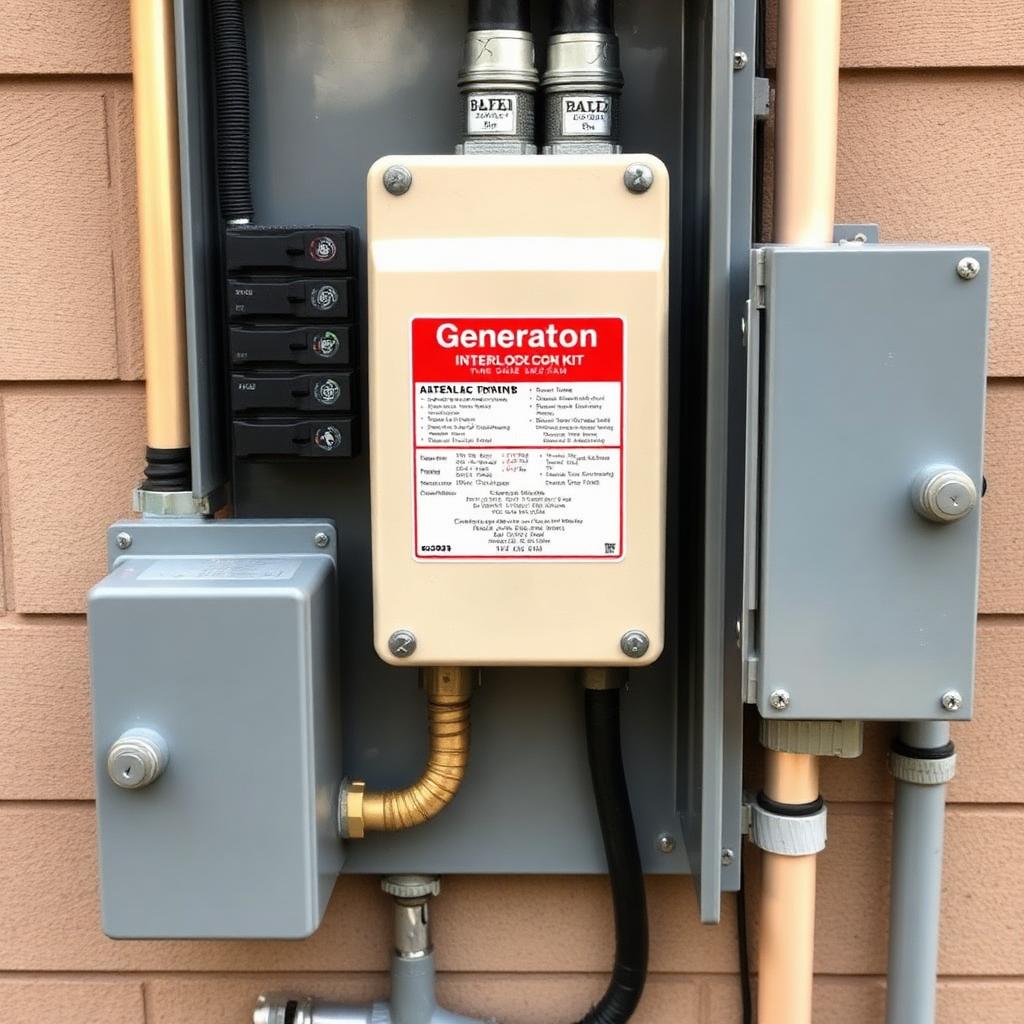
There are two methods I use. The first is a generator inlet with a breaker interlock: a weatherproof inlet outside, a dedicated breaker in the panel, and a mechanical plate that makes it impossible to turn on the generator breaker while the main breaker is on. The second is a transfer switch, which moves selected circuits or the whole house from utility to generator through a separate switch.
Either way, the job is done by a licensed electrician and inspected where required. I size the inlet and cord to the generator, label the panel, and walk you through the switching order before I leave. My generator hookup service page explains what I look at for your panel and generator.
Sizing in plain terms
Start with a short list of what matters during an outage. For many homes that means the well pump, the furnace blower or heat pump air handler, the refrigerator and some lights. A freezer, a medical device or a sump pump may belong on that list too.
Then let an electrician check that list against the generator you own or plan to buy. Motors draw more when they start than when they run, and some equipment is wired in ways that matter for a hookup.
Carbon monoxide rules
The U.S. Consumer Product Safety Commission (CPSC) reported 765 non-fire carbon monoxide deaths associated with portable generators from 2009 through 2019, which is 40 percent of all consumer-product carbon monoxide deaths it tracks. In an earlier CPSC report covering 1999 through 2012, half of generator-related carbon monoxide deaths happened in the four coldest months, November through February, and 74 percent happened at homes.
CPSC advice is to run a portable generator outside at least 20 feet from the home with the exhaust pointed away from the house, windows, doors and vents. Never run one inside a home, garage, basement, crawlspace or shed; opening doors or windows does not provide enough ventilation.
CPSC also says to install carbon monoxide alarms on every level of the home and outside sleeping areas, and test them monthly. My smoke and carbon monoxide alarm guide covers testing and replacing them.
Extension cords for portable use
If you run a few appliances straight from the generator instead of through an inlet, use outdoor-rated cords heavy enough for the load and long enough to keep the generator at a safe distance. Check them for cuts, crushed spots and damaged plugs before every use. Keep connections out of standing water and snow.
Fuel and setup before the storm
Store fuel in approved containers away from the house and anything that makes a flame or spark, and let the engine cool before refueling. Test-run the generator outdoors ahead of time so you know it starts and you are not reading the manual by flashlight. Decide now where it will sit, how the cord will reach the inlet, and how you will keep it dry without enclosing it.
Generator power and utility restoration can both bring voltage swings. Whole-home surge protection is a separate layer I often discuss alongside a hookup.
When the power comes back
Turn off the loads on the generator, switch back the way your setup was designed, then shut the generator down and let it cool before disconnecting and storing it. With an interlock that usually means turning off the generator breaker, then turning the main back on. With a transfer switch, follow its labeled order.
Christmas electrical safety questions
Can I plug my generator into a dryer outlet to power the house?
No. A double-male cord can backfeed utility lines and put line workers and others at risk of electrocution. Use an inlet with an interlock or a transfer switch installed by a licensed electrician.
Is running a generator in an open garage safe?
No. CPSC says never to run one inside a home, garage, basement, crawlspace or shed, and that opening doors or windows does not provide enough ventilation. Keep it outside, away from openings.
What is the difference between an interlock and a transfer switch?
An interlock is a plate on your panel that keeps the main and generator breakers from being on together. A transfer switch is separate equipment that moves selected circuits or the whole house between sources.
How do I know what my generator can run?
List what you need during an outage, such as the well pump, furnace blower or air handler, refrigerator and lights, then have an electrician check that list against your generator.
Where should carbon monoxide alarms go?
CPSC recommends carbon monoxide alarms on every level of the home and outside sleeping areas, tested monthly.
Talk to me before the next outage
If you own a portable generator and do not have a safe way to connect it, now is the time to plan one. I'm based in Rogersville, serving Hawkins County and nearby East Tennessee including Kingsport and Morristown. Call or text (423) 754-4353, or send a request through my contact page.