The Complete Homeowner's Guide to an Electrical Panel Upgrade: From Your First Call to the Final Inspection
By Ryan Trent, Licensed Residential Electrician – Trent Electrical
Replacing your home's electrical panel isn't something most homeowners plan for until they begin experiencing problems. Maybe your breakers keep tripping, your lights flicker when the air conditioner starts, you've been told your panel is outdated, or you're planning a remodel, adding a hot tub, or installing an EV charger. Whatever the reason, replacing an electrical panel is one of the most important electrical upgrades you can make for the safety and reliability of your home.
If you've never gone through the process before, it's normal to have questions. How long will it take? Will the power be off for days? Do permits have to be pulled? Who contacts the utility company? What does the inspector do? Will I have to coordinate everything myself?
The answer is simple: No.
When you hire Trent Electrical, my goal is to make the process as easy and stress-free as possible. I handle the planning, the permits, the materials, the communication with the utility company, and the coordination with inspectors so you don't have to.
This guide explains exactly what happens from the first phone call to the final inspection.
Why Do Homes Need an Electrical Panel Upgrade?
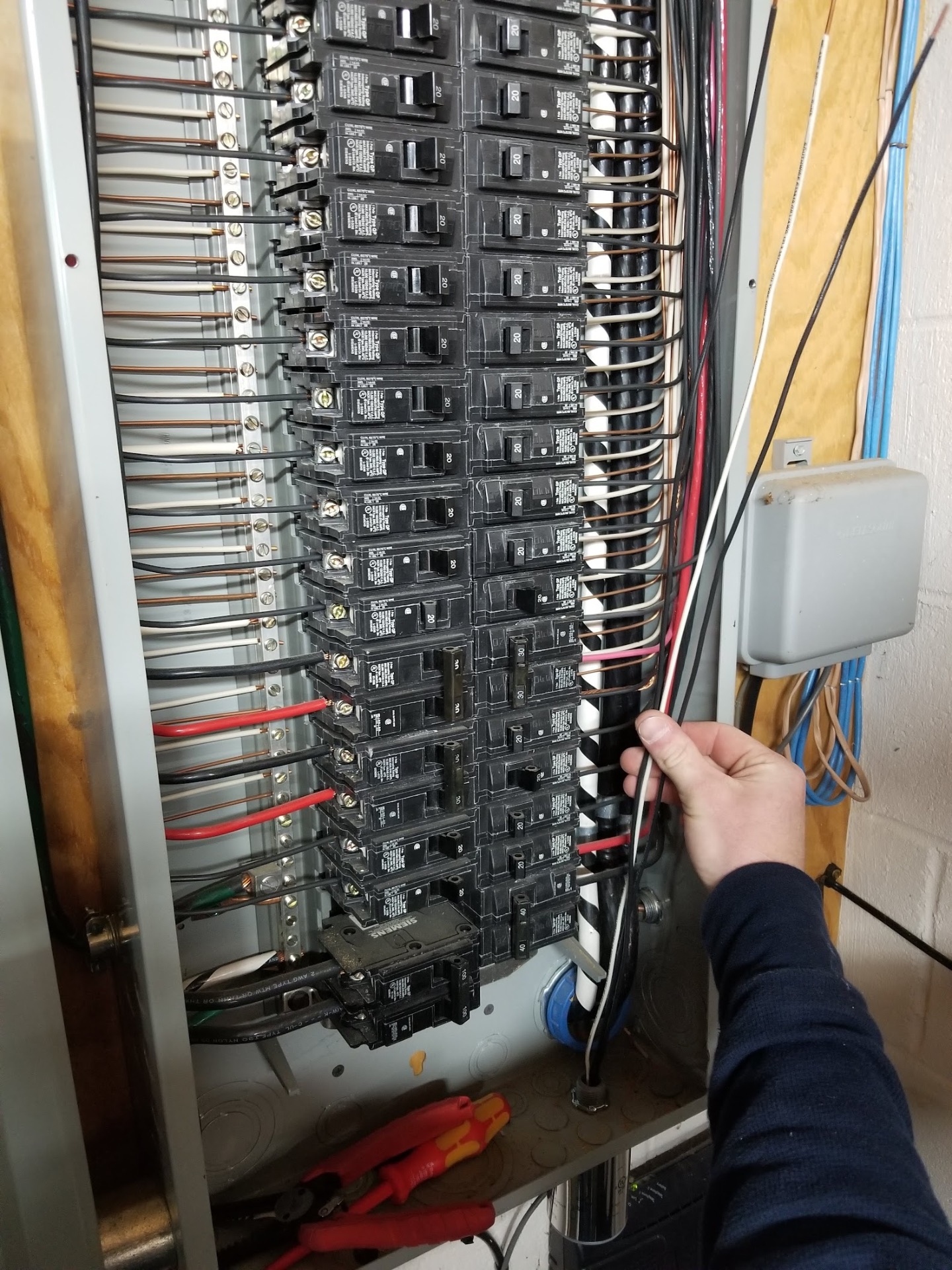
Your electrical panel is the heart of your home's electrical system. Every light switch, outlet, appliance, heating and cooling system, television, computer, and charger depends on it.
As homes age, electrical demands increase. Years ago, homes weren't designed for multiple refrigerators, large HVAC systems, electric water heaters, gaming systems, home offices, electric vehicle chargers, or today's modern kitchens.
Some of the most common reasons homeowners upgrade their electrical panel include:
Breakers that trip frequently.
Flickering or dimming lights.
Outgrowing a 100-amp electrical service.
Installing an EV charger.
Adding a hot tub or workshop.
Home additions or remodels.
Replacing an outdated fuse box.
Insurance requirements.
Rust, corrosion, overheating, or damaged equipment.
Planning for future electrical needs.
If you're unsure whether your panel needs replacing, don't worry — that's exactly what the initial evaluation is for.
Step 1 – The First Phone Call
Every project begins with a conversation.
I'll ask a few questions about your home, what's been happening, and why you're considering an upgrade. Sometimes the issue is obvious. Other times, it's something that needs to be evaluated in person.
Every home is different, and that's why I don't believe in giving one-size-fits-all pricing over the phone.
Once we schedule an appointment, I'll come to your home and perform a complete evaluation.
Step 2 – Evaluating Your Home
This is much more than opening the panel door.
I'll inspect your electrical system from top to bottom to determine exactly what your home needs.
Depending on the home, I'll evaluate the existing electrical panel, main breaker size, overall electrical service capacity, electrical load calculation, meter base condition, service entrance equipment, grounding and bonding system, existing grounding electrodes, service conductors, weatherhead or service mast when applicable, available breaker space, condition of the existing wiring connected to the panel, and future electrical needs such as generators, EV chargers, workshops, additions, or hot tubs.
No two homes are identical, so every recommendation is based on your home's specific needs — not a generic package.
Electrical Codes Continue to Change
One thing many homeowners don't realize is that electrical codes continue to evolve.
The National Electrical Code is updated on a three-year cycle, and local jurisdictions decide when those updates are adopted and enforced. Utility companies and inspection authorities may also have specific requirements for service upgrades.
Because of that, two homes in different counties — or even different utility service areas — may have slightly different requirements.
That's one of the reasons hiring a licensed electrician matters. My job is to understand the applicable requirements and complete your installation safely and correctly.
Step 3 – You'll Receive an Upfront Price
After completing the evaluation, I'll explain exactly what I recommend and why.
Then I'll provide a clear, straightforward price.
There isn't any high-pressure sales presentation. There aren't hidden charges added later. There isn't any guessing.
You'll know exactly what the project includes before any work begins.
If you decide to move forward, great. If you need time to think about it, that's perfectly fine too.
What Is Included in a Typical Panel Upgrade?
Every home is different, but a panel upgrade may include a new electrical panel, new breakers, an electrical service upgrade when required, meter socket replacement when necessary, main disconnect equipment, service entrance equipment, grounding and bonding upgrades when required, ground rods if needed to meet current requirements, proper circuit labeling, permit coordination, utility coordination, inspection coordination, and final testing of every circuit.
If additional work is recommended, I'll explain exactly why before any work begins.
Step 4 – Planning the Project
Once you approve the project, I begin planning.
This includes ordering materials, scheduling the installation, coordinating permits, and communicating with the utility company.
Most projects require a deposit to cover materials and permit-related expenses.
Before installation day arrives, I work to make sure everything is ready so your downtime is kept to a minimum.
Permits and Inspections
Most electrical panel upgrades require permits and inspections.
Depending on the project and jurisdiction, inspections may include a service release before power is restored and a final inspection afterward.
Inspectors work independently and schedule their own appointments.
If they request a correction, I'll return promptly to make any necessary adjustments. My goal is to complete the project correctly the first time, but if something needs attention, I'll take care of it as quickly as possible.
Working With East Tennessee Utility Companies
One thing homeowners appreciate is not having to coordinate everything themselves.
I regularly work with utility providers throughout East Tennessee, and while each has its own procedures, I handle that communication as part of the project.
That may include scheduling disconnects, coordinating reconnects, meeting utility requirements, providing required documentation, and coordinating inspection-related paperwork.
Every utility operates a little differently, and reconnect fees may apply depending on the provider.
Installation Day
Panel replacement day usually starts early.
Once the utility disconnects power, work begins immediately.
The old equipment is safely removed. The new electrical panel is installed. Grounding and bonding are upgraded if required. Every conductor is carefully organized. Every breaker is properly installed. Every circuit is identified and labeled.
My goal isn't just to install a new panel — it's to leave you with a clean, organized electrical system that's easier to understand and easier to service in the future.
How Long Will My Power Be Off?
This is probably the question I hear the most.
Every project is different, and I always prepare homeowners for unexpected delays that are outside anyone's control.
However, the majority of residential panel upgrades I perform are completed in a single day.
I try to schedule these projects early in the week whenever possible in case additional coordination with the utility becomes necessary.
If temporary power is needed for essential items, we'll discuss options before installation day.
Can You Stay in Your Home?
Yes. Most homeowners stay home during the project.
There will be periods without electricity, so your heating, cooling, internet, television, and outlets won't work until power is restored.
Keeping refrigerator and freezer doors closed helps food stay cold for several hours.
If someone in your home relies on medical equipment, let me know before the project so we can discuss the best plan.
Pets should also be kept away from the work area for their safety.
Restoring Power
After the installation is complete, I'll coordinate with the utility company so power can be restored according to its procedures.
Once electricity is back on, every circuit is tested to make sure everything is operating properly.
Final Inspection
The final inspection confirms the completed installation meets the applicable requirements.
Inspectors work independently and schedule their own appointments.
Homeowners are welcome to ask questions during the inspection.
If any adjustment is required, I'll take care of it promptly.
Why Hire a Licensed Electrician?
An electrical panel isn't just another piece of equipment.
It's the heart of your home's electrical system.
A properly installed panel protects your family, your appliances, and your investment.
Choosing a licensed electrician means you're hiring someone who understands electrical systems, follows applicable codes, carries insurance, and takes responsibility for completing the job correctly.
My Commitment to Every Homeowner
I've learned over the years that every home has a story.
Some homes have been remodeled several times. Others have original electrical systems that have served families for decades. No matter the age of the home, my approach stays the same: evaluate it carefully, explain the options honestly, and complete the work with the same attention to detail I'd want in my own home.
From the moment you approve the project until the final inspection is complete, I handle the details so you don't have to.
No confusion. No surprises. No unnecessary stress.
Just clear communication, quality workmanship, and a commitment to doing the job right.
Frequently Asked Questions
Will my power be off overnight? Usually not. Most panel upgrades are completed and re-energized the same day, though weather, utility scheduling, or unforeseen conditions can affect timing.
Do I have to contact the utility company? No. I coordinate with the utility company as part of the project.
Do I need permits? Most panel upgrades require permits and inspections. I'll explain what applies to your home.
Can I stay in my house during the work? Yes. Most homeowners remain at home during the installation.
Will my breakers be labeled? Absolutely. Proper circuit labeling is an important part of a professional installation.
Can I upgrade from 100 amps to 200 amps? Many homes can, but the correct service size depends on a load calculation and the specific needs of your home.
How long does the installation take? Most residential panel upgrades are completed in one day, although every project is unique.
Ready to Upgrade Your Electrical Panel?
If you're considering a panel replacement, service upgrade, or simply want an honest evaluation of your home's electrical system, I'd be happy to help.
My goal is simple: explain your options clearly, complete the work safely, and make the entire process as smooth as possible from your first phone call to the final inspection.